Table of Contents
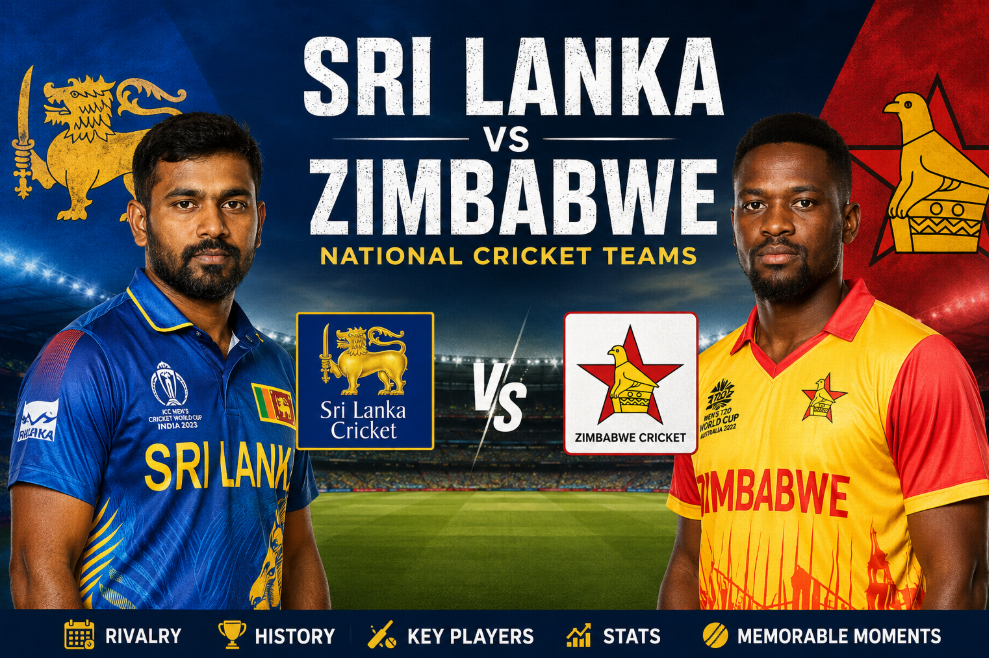
The rivalry between Sri Lanka and Zimbabwe has always carried a unique cricketing flavor shaped by contrast rather than chaos. Sri Lanka, known for its disciplined structure, world class spin attack, and calm match control, often entered contests as the stronger and more experienced side. Zimbabwe, meanwhile, brought unpredictability, raw energy, and fearless cricket that occasionally disrupted expectations. Across formats, their encounters have produced shifting momentum, emotional fan reactions, and memorable individual performances. From early ODI meetings to modern T20 battles, this rivalry reflects more than just results. It shows evolution, resilience, and moments where underdogs challenged established powers on the international stage.
Head-to-Head Record Summary
| Format | Total Matches | Sri Lanka Wins | Zimbabwe Wins | No Result / Draws |
|---|---|---|---|---|
| Test Matches | 20 | 14 | 0 | 6 |
| ODIs | 64 | 49 | 12 | 3 |
| T20Is | 12 | 8 | 4 | 0 |
| Total Overall | 96 | 71 | 16 | 9 |
ICC Team Rankings Standing
| Format | Sri Lanka Rank | Sri Lanka Rating Points | Zimbabwe Rank | Zimbabwe Rating Points |
|---|---|---|---|---|
| Test Rankings | 7th | 85 | 11th | 32 |
| ODI Rankings | 6th | 96 | 12th | 53 |
| T20I Rankings | 9th | 221 | 11th | 202 |
Recent Match Results
| Date | Match Format | Venue | Winner | Margin of Victory |
|---|---|---|---|---|
| 19 Feb 2026 | T20 World Cup | Colombo, Sri Lanka | Zimbabwe | Won by 6 wickets |
| 25 Nov 2025 | T20I Tri-Series | Rawalpindi, Pakistan | Sri Lanka | Won by 9 wickets |
| 20 Nov 2025 | T20I Tri-Series | Rawalpindi, Pakistan | Zimbabwe | Won by 67 runs |
| 07 Sep 2025 | Bilateral T20I | Harare Sports Club, Zimbabwe | Sri Lanka | Won by 8 wickets |
| 06 Sep 2025 | Bilateral T20I | Harare Sports Club, Zimbabwe | Zimbabwe | Won by 5 wickets |
| 31 Aug 2025 | Bilateral ODI | Harare Sports Club, Zimbabwe | Sri Lanka | Won by 5 wickets |
Most Memorable Historical Matches
| Match & Year | Format | Brief Significance & Outcome |
|---|---|---|
| Colombo (2026) | T20I | Zimbabwe stunned co-hosts Sri Lanka in the T20 World Cup group stage, chasing 179 runs to finish unbeaten and top Group B. |
| Hambantota (2017) | ODI | Zimbabwe pulled off a massive upset by beating Sri Lanka 3-2 in an away ODI series on Sri Lankan soil, marked by Sikandar Raza’s masterclass. |
| Kandy (2001) | Test | Muttiah Muralitharan took an astonishing match haul of 13 wickets to completely decimate the Zimbabwean batting order. |
| Bulawayo (1999) | Test | Zimbabwe fought to a famous draw against a heavyweight Sri Lankan side, setting up their first competitive footings in Test cricket. |
Player Analysis Comparison
| Player Name | Team | Core Role | Strategic Analysis & Head-to-Head Impact |
|---|---|---|---|
| Pathum Nissanka | Sri Lanka | Top-order Batter | Highly consistent anchor; heavily punished Zimbabwe’s pace attack during the limited-overs matches. |
| Wanindu Hasaranga | Sri Lanka | All-Rounder (Leg-spin) | Chief destroyer in the middle overs; his variations have historically triggered batting collapses for Zimbabwe. |
| Maheesh Theekshana | Sri Lanka | Mystery Spinner | Serves as an economical powerhouse in the Powerplay overs, though targets of aggressive sub-continent counter-attacks. |
| Sikandar Raza | Zimbabwe | All-Rounder | The heartbeat of Zimbabwe cricket; multiple Player of the Match awards against Sri Lanka via explosive finishes and crucial breakthrough wickets. |
| Brian Bennett | Zimbabwe | Top-order Batter | Emerging explosive prodigy; recently anchored the historic T20 World Cup chase against Sri Lanka with an unbeaten half-century. |
| Blessing Muzarabani | Zimbabwe | Fast Bowler | Uses tall bounce and extra pace to routinely trouble Sri Lanka’s top order in early spells. |
Early Foundations of the Rivalry: First Encounters and Emerging Contrast
The early meetings between Sri Lanka and Zimbabwe set the tone for a rivalry built on contrast rather than pure hostility. Sri Lanka entered as a more established Asian side with a strong spin foundation and structured batting order, while Zimbabwe arrived with unpredictability and raw fighting spirit. Their first encounters were not just matches but learning curves for both teams.
Sri Lanka often relied on disciplined bowling attacks and experienced middle order stability, while Zimbabwe depended heavily on individual brilliance. These early games showed clear differences in depth and consistency. Yet, Zimbabwe managed to surprise Sri Lanka in patches, especially through counterattacking batting spells that disrupted Sri Lanka’s rhythm. Fans quickly realized this was not a one sided rivalry, even if records suggested otherwise.
The foundation of this rivalry was built on respect, surprise upsets, and evolving cricketing identity on both sides.
| Score Pattern | Winning Trend | Performance Style | Season Phase | Other Useful Insight |
|---|---|---|---|---|
| SL 260+, ZIM 220+ | Sri Lanka mostly wins | Spin dominance SL | Early ODI era | Zimbabwe occasional upsets |
| SL 240/8 vs ZIM 230/9 | Sri Lanka narrow win | Close finishes | Transitional phase | Zimbabwe improved chasing |
| ZIM 270+ vs SL 280+ | Sri Lanka edge | Batting duels | Mid 2000s | High scoring matches |
| SL dominant wins | Sri Lanka strong control | Balanced performance | Early rivalry years | Experience gap visible |
Building Identity: Zimbabwe’s Fight vs Sri Lanka’s Consistency
As the rivalry matured, both teams began to define their identities more clearly. Sri Lanka built their approach around consistency, tactical awareness, and world class spin options that controlled the middle overs. Zimbabwe, on the other hand, developed a reputation for resilience, refusing to collapse easily even under pressure.
This phase of encounters was marked by competitive but uneven contests. Sri Lanka often dictated terms with disciplined bowling and strategic batting pacing. Zimbabwe responded with fearless batting from top order players who occasionally turned matches into unexpected thrillers.
What made this period interesting was the psychological shift. Zimbabwe stopped fearing stronger opponents and began challenging them aggressively. Sri Lanka, meanwhile, had to adjust to unexpected resistance rather than easy wins. The rivalry became less predictable and more emotionally engaging for fans on both sides.
| Score Pattern | Winning Trend | Performance Style | Season Phase | Other Useful Insight |
|---|---|---|---|---|
| SL 250 vs ZIM 240 | Sri Lanka narrow wins | Tactical bowling SL | Mid ODI era | Zimbabwe fighting chase |
| ZIM 260 vs SL 270 | Sri Lanka close win | Batting pressure games | Competitive phase | Finishers matter more |
| SL 300+ vs ZIM 250 | Sri Lanka dominant | Strong batting SL | Peak ODI years | Power hitting rise |
| SL vs ZIM low totals | Split results | Bowling-friendly pitches | Mixed conditions | Collapse under pressure |
ODI Clashes That Defined the Rivalry Era
The ODI battles between Sri Lanka and Zimbabwe became the backbone of this rivalry narrative. These matches were not always headline grabbing globally, but within cricket circles they were valued for their unpredictability and momentum swings.
Sri Lanka’s ODI strength came from structured innings building and world class spin attacks that controlled the middle overs. Zimbabwe countered with aggressive starts and occasional explosive middle order performances. Several matches swung dramatically after strong powerplays or sudden batting collapses.
Sri Lanka generally held the upper hand, but Zimbabwe’s ability to push games into deep pressure situations made every contest meaningful. These ODIs highlighted tactical battles more than pure dominance, with captains playing key roles in field placements and bowling rotations.
Fans remember these matches for tight finishes, unexpected partnerships, and momentum shifts that often changed within a few overs.
| Score Pattern | Winning Trend | Performance Style | Season Phase | Other Useful Insight |
|---|---|---|---|---|
| SL 280 vs ZIM 260 | Sri Lanka win | Balanced ODI game | ODI peak era | Strong chase pressure |
| ZIM 240 vs SL 245 | Sri Lanka narrow win | Nervy finish | Competitive ODI phase | Last over drama |
| SL 310 vs ZIM 270 | Sri Lanka dominant | Batting heavy pitch | High scoring era | Top order strength |
| SL 220 vs ZIM 200 | Sri Lanka win | Bowling-friendly match | Tactical ODI phase | Spin control decisive |
World Cup Encounters and Global Pressure Moments
World Cup encounters between Sri Lanka and Zimbabwe brought a different level of intensity. Unlike bilateral series, these matches carried global pressure, where every over mattered for qualification, rankings, and tournament survival.
Sri Lanka, with their experienced World Cup campaigners, often approached these games with calm structure. Zimbabwe, however, played with freedom, sometimes causing unexpected tension in matches through aggressive spells or surprise breakthroughs.
The pressure of ICC tournaments highlighted mental strength more than skill alone. Sri Lanka usually managed to hold their nerve in crunch moments, while Zimbabwe struggled to convert promising positions into wins. Still, these encounters were memorable for individual brilliance, especially from Zimbabwe players who rose to the occasion despite odds.
These matches strengthened Sri Lanka’s reputation as a composed tournament side and reinforced Zimbabwe’s image as dangerous underdogs.
| Score Pattern | Winning Trend | Performance Style | Season Phase | Other Useful Insight |
|---|---|---|---|---|
| SL 280 vs ZIM 240 | Sri Lanka win | Controlled chase | World Cup group stage | Experience difference |
| SL 260 vs ZIM 230 | Sri Lanka win | Spin dominance | ICC tournament phase | Middle overs control |
| ZIM 250 vs SL 270 | Sri Lanka win | Competitive match | Pressure game | Key partnerships |
| SL dominant wins | Sri Lanka strong | All round balance | Knockout pressure era | Mental toughness key |
T20 Era: Speed, Power and Shifting Momentum
The arrival of T20 cricket transformed the Sri Lanka versus Zimbabwe rivalry into a faster and more unpredictable contest. With shorter formats, even small moments of brilliance could change the outcome within minutes.
Sri Lanka adapted quickly with power hitters and versatile bowlers who could defend runs under pressure. Zimbabwe relied on aggressive top order starts and unpredictable bowling spells that occasionally rattled stronger teams.
T20 matches between these sides often featured rapid momentum shifts. A strong powerplay could be followed by a collapse, and finishing overs became decisive. Sri Lanka generally maintained composure in death overs, while Zimbabwe sometimes struggled with execution under pressure.
This era made the rivalry more entertaining, even if not evenly balanced in results. Fans appreciated the explosive nature of contests and the possibility of upsets in every game.
| Score Pattern | Winning Trend | Performance Style | Season Phase | Other Useful Insight |
|---|---|---|---|---|
| SL 170 vs ZIM 150 | Sri Lanka win | Tight T20 game | Early T20 era | Death overs key |
| SL 190 vs ZIM 180 | Sri Lanka narrow win | High pressure finish | Competitive T20 phase | Power hitting impact |
| ZIM 160 vs SL 165 | Sri Lanka win | Close chase | Balanced T20 matches | Finishing ability |
| SL 200+ vs ZIM 170 | Sri Lanka dominant | Aggressive batting | Modern T20 phase | Top order strength |
Conclusion
The Sri Lanka vs Zimbabwe rivalry stands as a story of persistence, adaptation, and cricketing contrast rather than fierce hostility. Sri Lanka’s consistency, tactical discipline, and ability to perform under pressure generally shaped the head-to-head record, while Zimbabwe’s fighting spirit ensured that no match felt entirely predictable. Over the years, both teams evolved with changing formats, producing tighter finishes and more competitive spells. Though Sri Lanka often held the upper hand in results, Zimbabwe’s occasional breakthroughs added depth to the rivalry. Ultimately, this matchup highlights how cricket thrives on both dominance and resistance, creating a balanced narrative of respect between two international sides.
FAQs
What is the overall head to head record between Sri Lanka and Zimbabwe in international cricket?
Sri Lanka has historically dominated the head to head record against Zimbabwe across formats. Their stronger batting depth and spin bowling advantage have helped them secure more wins, though Zimbabwe has produced occasional upsets in competitive ODI and T20 matches.
Why is the Sri Lanka vs Zimbabwe rivalry considered competitive despite uneven results?
The rivalry is competitive because Zimbabwe often pushes Sri Lanka into pressure situations with aggressive batting and fighting spirit. Even when losing, Zimbabwe frequently challenges Sri Lanka in middle overs, creating close finishes and memorable individual performances.
Which format has produced the most exciting matches between Sri Lanka and Zimbabwe?
ODI cricket has produced the most balanced and exciting encounters. Longer innings allow Zimbabwe to build resistance and Sri Lanka to apply strategic pressure, resulting in close chases, collapses, and tactical battles between batters and bowlers.
What role have spin bowlers played in Sri Lanka’s dominance?
Sri Lanka’s spin bowlers have been crucial in controlling middle overs and restricting Zimbabwe’s scoring rate. Their ability to break partnerships and maintain pressure has often shifted matches in Sri Lanka’s favor, especially on slower subcontinental pitches.
Can Zimbabwe challenge Sri Lanka in future encounters?
Yes, Zimbabwe can challenge Sri Lanka if their batting unit maintains consistency and bowlers execute plans under pressure. With modern T20 experience and improving young talent, they have the potential to produce more competitive and unpredictable matches.
