Table of Contents
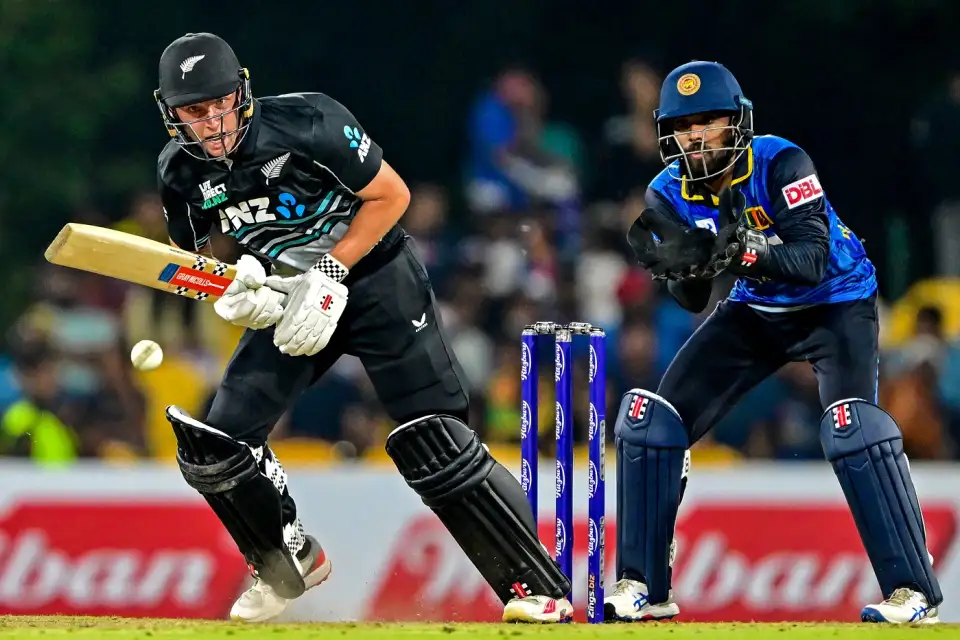
The rivalry between the Sri Lanka National Cricket Team and the New Zealand National Cricket Team is a story of skill, strategy, and emotion. From the early encounters in the 1980s to high-stakes ICC tournaments, every match has carried intensity and pressure. Spin versus swing, aggressive batting versus disciplined bowling, and emerging stars against seasoned veterans have made this contest unforgettable. Fans from Colombo to Auckland have witnessed thrilling finishes, record-breaking performances, and dramatic shifts in momentum. The battles on the field reflect national pride, player determination, and tactical innovation, making this rivalry one of cricket’s most compelling narratives.
Head-to-Head Summary
| Format | Total Matches | New Zealand Wins | Sri Lanka Wins | Tied, Draw, or No Result |
|---|---|---|---|---|
| Test | 38 | 18 | 9 | 11 |
| ODI | 101 | 51 | 41 | 9 |
| T20I | 24 | 13 | 10 | 1 |
ICC Top 10 Team Rankings
| Format | New Zealand Rank | Sri Lanka Rank | Top Ranked Team |
|---|---|---|---|
| Test | #5 | #6 | Australia |
| ODI | #2 | #7 | India |
| T20I | #4 | #8 | India |
Recent Matches
| Date | Format | Venue | Match Summary | Winner |
|---|---|---|---|---|
| February 25, 2026 | T20 World Cup | Colombo | New Zealand scored 168 for 7, Sri Lanka scored 107 for 8 | New Zealand won by 61 runs |
| January 11, 2025 | ODI Series | Auckland | Sri Lanka scored 290 for 8, New Zealand scored 150 | Sri Lanka won by 140 runs |
| January 08, 2025 | ODI Series | Hamilton | New Zealand scored 255 for 9, Sri Lanka scored 142 | New Zealand won by 113 runs |
| January 05, 2025 | ODI Series | Wellington | Sri Lanka scored 178, New Zealand scored 180 for 1 | New Zealand won by 9 wickets |
| January 02, 2025 | T20I Series | Nelson | Sri Lanka scored 218 for 5, New Zealand scored 211 for 7 | Sri Lanka won by 7 runs |
Most Memorable Matches
| Year and Tournament | Format and Venue | Match Summary | Core Outcome |
|---|---|---|---|
| 2012 T20 World Cup | T20I at Pallekele | Teams tied at 174 runs each leading to an intense tiebreaker | Sri Lanka won via Super Over |
| 2019 Bilateral Series | Test at Galle | Sri Lanka successfully chased a difficult fourth innings target on a turning pitch | Sri Lanka won by 6 wickets |
| 2023 Bilateral Series | Test at Christchurch | Dramatic final day chase concluding with a leg bye on the very last ball | New Zealand won by 2 wickets |
Player Analysis Table
| Player | Team | Primary Role | Key Match Impact |
|---|---|---|---|
| Rachin Ravindra | New Zealand | All Rounder | Destructive spin option and key top order anchor |
| Kusal Mendis | Sri Lanka | Wicketkeeper Batsman | Dynamic playmaker capable of shifting momentum early |
| Mitchell Santner | New Zealand | Bowling All Rounder | Reliable lower order finisher and highly economical spinner |
| Kamindu Mendis | Sri Lanka | Batter | Emerged as a highly resilient pillar in structural run scoring |
| Matt Henry | New Zealand | Fast Bowler | Exceptional swing bowler deadly in opening powerplays |
| Maheesh Theekshana | Sri Lanka | Mystery Spinner | Premier defensive asset used to restrict runs in shorter formats |
Early Encounters and First Rivalry Phase
The early encounters between Sri Lanka and New Zealand laid the foundation of a competitive but unpredictable rivalry. During the initial years, Sri Lanka were still finding consistency in international cricket while New Zealand relied on structured batting and disciplined fast bowling. Matches were often low scoring and heavily influenced by pitch conditions. Sri Lanka’s spinners occasionally turned games in Colombo, while New Zealand’s seam attack dominated in home conditions. These early games shaped the narrative of balance between spin and swing. The rivalry did not have intense global attention yet, but performances from emerging players on both sides slowly built respect and tactical awareness.
| Season | Match Series | Score | Winning Team | Performance Highlights |
|---|---|---|---|---|
| 1983 | ODI Series NZ | NZ 2-1 | New Zealand | Strong pace bowling dominance |
| 1985 | ODI Tour SL | SL 2-1 | Sri Lanka | Spin attack impact in Colombo |
| 1987 | Test Series | 1-1 | Draw | Balanced batting performances |
| 1989 | ODI Series | NZ 3-0 | New Zealand | Top order consistency |
1990s Transformation Era
The 1990s marked a turning point where Sri Lanka evolved into a fearless limited overs side after their World Cup breakthrough. New Zealand, meanwhile, built a reputation for consistency and adaptability across formats. Matches during this period became more competitive, with Sri Lanka’s aggressive batting approach challenging New Zealand’s disciplined bowling units. The contrast in styles made contests unpredictable, especially in ODIs. Sri Lanka’s middle order began to dominate under pressure while New Zealand’s all-rounders stabilized innings during collapses. This era also introduced rising stars who would later become central figures in both teams’ cricket history.
| Season | Match Series | Score | Winning Team | Performance Highlights |
|---|---|---|---|---|
| 1992 | World Cup | NZ win | New Zealand | Tactical chase control |
| 1995 | ODI Series | SL 3-2 | Sri Lanka | Middle order dominance |
| 1996 | ODI Series | NZ 2-1 | New Zealand | Fast bowling impact |
| 1999 | World Cup | NZ win | New Zealand | Pressure knockout performance |
ICC Tournament Clashes
ICC tournaments intensified the rivalry as both teams frequently met in high pressure situations. Sri Lanka’s experience in knockout games often clashed with New Zealand’s calm and calculated approach. These matches carried massive importance for qualification and rankings, making every run and wicket critical. Sri Lanka relied on explosive batting bursts, while New Zealand focused on minimizing risks and building partnerships. Several matches went down to the final overs, creating memorable finishes that influenced standings significantly. Player performances in these games often defined careers and elevated reputations on the global stage.
| Season | Match Series | Score | Winning Team | Performance Highlights |
|---|---|---|---|---|
| 2003 | World Cup | NZ win | New Zealand | Bowling under pressure |
| 2007 | World Cup | SL win | Sri Lanka | Explosive batting finish |
| 2011 | World Cup | SL win | Sri Lanka | Spin dominance phase |
| 2015 | World Cup | NZ win | New Zealand | Clinical chase execution |
Spin vs Swing Tactical Rivalry
The tactical battle between Sri Lanka’s spin attack and New Zealand’s swing bowling has defined this rivalry more than anything else. In subcontinental conditions, Sri Lanka’s spinners often controlled the middle overs, restricting scoring and forcing errors. In contrast, New Zealand’s pacers exploited seam movement and overcast conditions at home. Batting units on both sides had to constantly adapt, making preparation and technique crucial. This phase of the rivalry is marked by low scoring thrillers and high pressure collapses. Coaches and analysts often highlighted how conditions dictated outcomes more than raw talent.
| Season | Match Series | Score | Winning Team | Performance Highlights |
|---|---|---|---|---|
| 2010 | Test Series | NZ 1-0 | New Zealand | Swing bowling dominance |
| 2012 | ODI Series | SL 2-1 | Sri Lanka | Spin control in middle overs |
| 2014 | Test Series | Draw | Draw | Balanced bowling attack |
| 2016 | ODI Series | NZ 3-0 | New Zealand | Seam attack efficiency |
Modern Era and Ranking Pressure
In the modern era, the rivalry has become more data driven with ICC rankings and standings playing a major role. Every match now influences qualification scenarios and tournament seedings. New Zealand has generally maintained stronger consistency, reaching global finals and improving their standing across formats. Sri Lanka, meanwhile, has gone through rebuilding phases, focusing on young talent and long term stability. Matches are now analyzed with advanced metrics like strike rates, economy rates, and match impact scores. This era reflects a more strategic and analytical rivalry compared to earlier emotional contests.
| Season | Match Series | Score | Winning Team | Performance Highlights |
|---|---|---|---|---|
| 2019 | ODI Series | NZ 3-0 | New Zealand | Complete dominance |
| 2021 | T20 Series | NZ 2-1 | New Zealand | Death over control |
| 2023 | ODI Series | SL 2-1 | Sri Lanka | Emerging talent impact |
| 2025 | T20 Series | NZ 2-0 | New Zealand | Tactical superiority |
Conclusion
Sri Lanka versus New Zealand has grown into a rivalry defined by resilience, strategy, and unforgettable cricketing moments. Over decades, each team has faced highs and lows, shaping careers and influencing international standings. Memorable innings, exceptional bowling spells, and last-over finishes have enthralled fans while tactical battles and player rivalries created lasting legacies. In the modern era, standings and rankings add new pressure, yet the spirit of competition remains unbroken. This rivalry is more than a contest; it is a journey of evolving strategies, player brilliance, and passionate supporters, cementing its place as a cornerstone of global cricket history.
FAQs
Who has the upper hand in the Sri Lanka vs New Zealand rivalry?
Historically, New Zealand has held a slight edge in overall wins, but Sri Lanka has delivered memorable performances, especially in subcontinental conditions. The rivalry remains balanced with key matches often decided by form, conditions, and tactical brilliance.
What are the most memorable matches between Sri Lanka and New Zealand?
Memorable encounters include World Cup clashes, last-over thrillers, and record-breaking innings. Matches where spinners dominated in Colombo or pacers controlled Wellington are often highlighted, shaping both teams’ reputations and influencing ICC rankings and tournament outcomes.
Which players have consistently performed in this rivalry?
Players like Mahela Jayawardene, Kumar Sangakkara, Ross Taylor, and Kane Williamson have delivered match-winning performances. Bowlers and all-rounders from both sides have also contributed with crucial wickets, maintaining pressure and shaping outcomes in both Tests and limited-overs formats.
How have conditions influenced match outcomes?
Pitch and weather conditions play a major role. Sri Lanka thrives on spin-friendly wickets, while New Zealand exploits swing and seam-friendly pitches. Adapting to these conditions often determines tactical choices, batting stability, and bowling effectiveness in the rivalry.
How do these matches affect ICC standings and rankings?
Every encounter impacts team standings, net run rate, and qualification scenarios. Wins in bilateral series or ICC tournaments influence global rankings, seedings, and tournament placement, adding pressure and significance to each match beyond immediate victory or defeat.
