Table of Contents
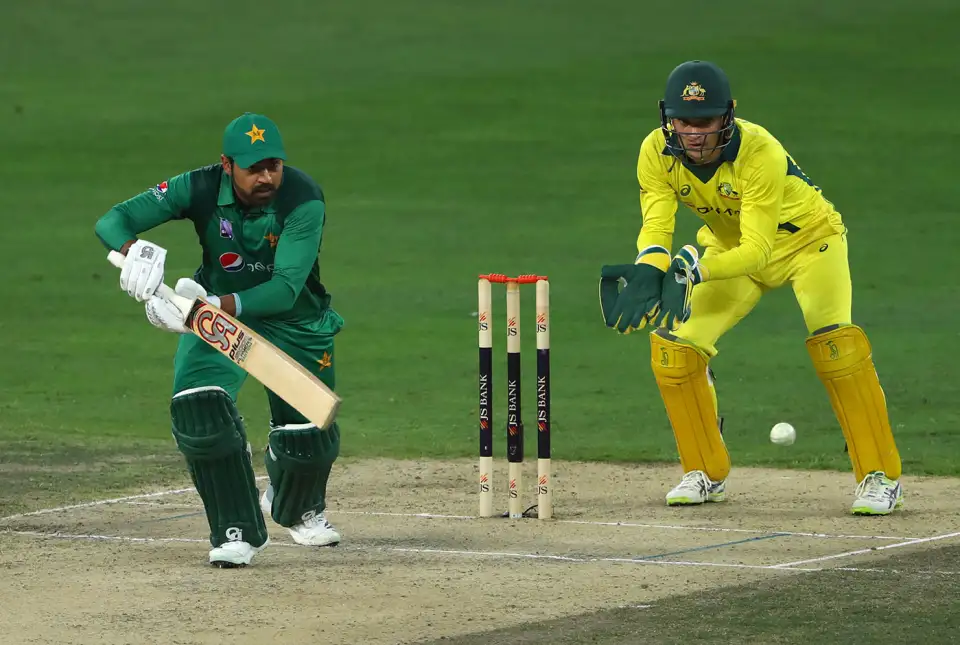
The Pakistan National Cricket Team Vs Australian Men’s Cricket Team Timeline is one of cricket’s most fascinating long-running rivalries, shaped by contrast, pressure, and unforgettable moments across formats. From early Test battles in the 1970s to modern white-ball clashes, Pakistan National Cricket Team and Australia national cricket team have produced cricket filled with intensity and shifting dominance. Australia’s structured, aggressive system has often collided with Pakistan’s unpredictable brilliance and raw fast-bowling talent. Over decades, this rivalry has delivered iconic performances, emotional finishes, and tactical masterclasses. Fans from both nations have witnessed momentum swings that define eras and shape cricket history across generations.
Latest Matches Table
| Date | Format | Venue | Result |
|---|---|---|---|
| 04 June 2026 | ODI | Gaddafi Stadium, Lahore | Pakistan won by 4 wickets |
| 02 June 2026 | ODI | Gaddafi Stadium, Lahore | Australia won by 41 runs |
| 30 May 2026 | ODI | Rawalpindi Cricket Stadium | Pakistan won by 5 wickets |
| 01 Feb 2026 | T20I | Gaddafi Stadium, Lahore | Pakistan won by 111 runs |
| 31 Jan 2026 | T20I | Gaddafi Stadium, Lahore | Pakistan won by 90 runs |
| 29 Jan 2026 | T20I | Gaddafi Stadium, Lahore | Pakistan won by 22 runs |
| 18 Nov 2024 | T20I | Bellerive Oval, Hobart | Australia won by 7 wickets |
| 16 Nov 2024 | T20I | SCG, Sydney | Australia won by 13 runs |
| 14 Nov 2024 | T20I | The Gabba, Brisbane | Australia won by 29 runs |
Head to Head Evolutions
| Format | Matches Played | Australia Wins | Pakistan Wins | Tied or Draws | No Result |
|---|---|---|---|---|---|
| Test Matches | 73 | 37 | 16 | 20 | 0 |
| ODIs | 111 | 70 | 37 | 1 | 3 |
| T20Is | 34 | 16 | 17 | 0 | 1 |
| Total Combined | 218 | 123 | 70 | 21 | 4 |
Top Performances
| Category | Player Name | Team | Achievement Details |
|---|---|---|---|
| Most Test Runs | Ricky Ponting | Australia | 2,211 runs |
| Most Pakistan Test Runs | Azhar Ali | Pakistan | 1,156 runs |
| Most Test Wickets | Shane Warne | Australia | 90 wickets |
| Highest Test Score | David Warner | Australia | 335 not out at Adelaide Oval, 2019 |
| Highest ODI Score | David Warner | Australia | 179 at Adelaide, 2017 |
| Best ODI Bowling Spell | Shahid Afridi | Pakistan | 6 for 38 at Dubai, 2009 |
| Best World Cup Spell | Mohammad Amir | Pakistan | 5 for 30 at Taunton, 2019 |
Biggest Wins and Closest Matches
| Match Type | Format | Margin or Details | Year and Venue |
|---|---|---|---|
| Biggest Test Win by Runs | Test | Pakistan won by 373 runs | 2018, Abu Dhabi |
| Biggest Test Win by Innings | Test | Australia won by an innings and 48 runs | 2019, Adelaide |
| Biggest ODI Win by Runs | ODI | Australia won by 152 runs | 2010, Sydney |
| Biggest T20I Win by Runs | T20I | Pakistan won by 111 runs | 2026, Lahore |
| Closest ODI Finish | ODI | Match Tied, Australia won via Super Over | 2012, Sharjah |
| Closest Test Finish | Test | Australia won by 39 runs | 2016, Brisbane |
| Closest White Ball Run Chase | ODI | Australia won by 2 wickets with 99 balls left | 2024, Melbourne |
Early Foundations
The early meetings between Pakistan National Cricket Team and Australia national cricket team set the emotional tone of a rivalry built on contrast. Australia arrived with a structured system, disciplined bowling units, and a calm, almost mechanical approach to winning matches. Pakistan, on the other hand, entered with unpredictability, fearless stroke play, and raw pace talent that could flip a match in a session.
Their first encounters showed clear differences in temperament. Australia dominated with consistency, while Pakistan produced flashes of brilliance through individual performances. Early Test and ODI games often swung dramatically after a single spell or partnership. These matches were not just contests but learning curves for both sides, shaping how they would later strategize against each other in different conditions around the world.
Early Foundations Summary Table
| Season | Match Type | Winner | Key Performance | Turning Point |
|---|---|---|---|---|
| 1972-73 | Test | Australia | Strong pace attack control | Pakistan batting collapse |
| 1975 | ODI | Australia | Top order stability | Middle overs control |
| 1979 | Test | Pakistan | Spin dominance at home | Reverse swing emergence |
| 1980 | ODI | Australia | All-round performance | Death overs acceleration |
First Test Clashes That Defined Respect and Resistance
The early Test battles between these two sides became a showcase of contrasting cricket philosophies. Australia national cricket team relied heavily on fast bowlers who exploited bounce and seam movement, especially in home conditions. In contrast, Pakistan National Cricket Team depended on their evolving fast-bowling legacy and skillful spinners when conditions allowed.
These matches were often low-scoring and intense. Australian batters were tested repeatedly by unpredictable Pakistan pace spells, while Pakistan’s batting struggled against sustained pressure in Australian conditions. However, memorable centuries and long partnerships kept the rivalry competitive. The respect between players grew rapidly as both sides realized how small moments could decide entire Test series. These early contests laid the foundation for decades of tactical evolution and psychological warfare in Test cricket.
First Test Clashes Summary Table
| Season | Match Type | Winner | Key Performance | Turning Point |
|---|---|---|---|---|
| 1976 | Test | Australia | Pace domination in Perth | Early top-order collapse |
| 1979 | Test | Pakistan | Spin attack control | Long batting partnership |
| 1981 | Test | Australia | Fast bowling pressure | Middle-order failure |
| 1983 | Test | Draw | Balanced team effort | Weather interruption |
ODI Era Emergence and Changing Momentum
The rise of ODI cricket changed everything in the rivalry between Pakistan National Cricket Team and Australia national cricket team. Australia quickly adapted to the faster format with aggressive batting strategies and disciplined bowling rotations. Pakistan relied more on natural flair, unpredictable batting bursts, and match-winning spells from individual bowlers.
During this era, momentum shifted frequently. Australia’s structured approach often gave them an edge in multi-match series, but Pakistan’s ability to produce unexpected match-winning performances kept them dangerous. The ODI contests became more tactical, with field placements, powerplay usage, and death over execution becoming decisive factors. Fans began to see a rivalry that was no longer just about skill but about game awareness and adaptability under pressure.
ODI Era Summary Table
| Season | Match Type | Winner | Key Performance | Turning Point |
|---|---|---|---|---|
| 1985 | ODI | Australia | Consistent run chase | Middle overs control |
| 1986 | ODI | Pakistan | Fast scoring partnership | Powerplay dominance |
| 1988 | ODI | Australia | All-round balance | Death bowling success |
| 1990 | ODI | Pakistan | Bowling collapse reversal | Late innings surge |
World Cup Encounters That Raised the Stakes
World Cup matches between Pakistan National Cricket Team and Australia national cricket team elevated the rivalry to global pressure environments. These games were not just about skill but about handling massive expectations. Australia often entered as favorites due to their tournament consistency, while Pakistan carried the reputation of unpredictability and sudden brilliance.
Key World Cup clashes featured tense chases, high-pressure wickets, and dramatic fielding moments. Australia’s calm execution in knockout scenarios often gave them the edge, but Pakistan produced unforgettable performances that stunned audiences. Tactical decisions such as bowling changes, batting order adjustments, and field placements became decisive under pressure. These matches also created iconic highlights that are still discussed in cricket history, defining how both teams approach ICC tournaments.
World Cup Encounters Summary Table
| Season | Match Type | Winner | Key Performance | Turning Point |
|---|---|---|---|---|
| 1992 | World Cup | Pakistan | Controlled chase | Middle order stability |
| 1996 | World Cup | Australia | Strong opening stand | Early wicket pressure |
| 1999 | World Cup | Australia | Bowling dominance | Collapse under pressure |
| 2003 | World Cup | Australia | Batting depth | Death overs acceleration |
1990s Battles: Wasim Akram, Waqar Younis vs Australian Power Hitting
The 1990s represented the peak of Pakistan’s fast-bowling identity led by Wasim Akram and Waqar Younis. Against Australia national cricket team, their reverse swing became a major tactical weapon. Australian batters struggled to read late movement, especially in subcontinental conditions.
At the same time, Australia countered with powerful batting line-ups capable of absorbing pressure and accelerating in the final overs. Matches often turned into duels between Pakistan’s pace duo and Australia’s top order. The rivalry during this period was fierce, emotional, and highly competitive. Every spell mattered, every partnership counted, and momentum shifted rapidly within sessions. This era is remembered for its intensity and the emergence of psychological battles between two world-class cricketing units.
1990s Battles Summary Table
| Season | Match Type | Winner | Key Performance | Turning Point |
|---|---|---|---|---|
| 1994 | Test | Pakistan | Reverse swing mastery | Top order collapse |
| 1995 | ODI | Australia | Power hitting finish | Death over surge |
| 1996 | Test | Draw | Balanced contest | Weather interruption |
| 1998 | ODI | Pakistan | Bowling dominance | Middle overs wickets |
Conclusion
The rivalry between Pakistan National Cricket Team and Australia national cricket team stands as a true reflection of cricket’s evolving nature. It is not just about wins and losses but about shifting eras, legendary performances, and emotional battles that defined generations. Australia’s consistency and tactical strength often met Pakistan’s unpredictable genius and match-winning bursts. Together, they created unforgettable World Cup clashes, Test series battles, and ODI thrillers that shaped global cricket narratives. As both teams continue to evolve, this timeline remains a living story of respect, rivalry, and cricketing excellence that still promises many more dramatic chapters ahead.
FAQs
What is the Pakistan vs Australia cricket rivalry known for?
It is known for intense competition, contrasting styles, and dramatic matches where Australia’s structured dominance often clashes with Pakistan’s unpredictable brilliance, creating unforgettable moments across Tests, ODIs, and T20s.
When did Pakistan and Australia first play against each other?
Pakistan and Australia first faced each other in the early 1970s in Test cricket, marking the beginning of a long rivalry shaped by challenging conditions and evolving cricket strategies.
Which team has historically dominated the rivalry?
Australia national cricket team has generally dominated across formats due to consistency and depth, though Pakistan National Cricket Team has produced surprising and memorable victories.
What are the most memorable matches between them?
World Cup encounters, especially in 1999 and 2003, and several Test series in Australia and Pakistan are considered iconic for their pressure moments and outstanding individual performances.
Why is this rivalry important in cricket history?
It highlights two contrasting cricket philosophies: Australia’s disciplined system versus Pakistan’s flair and unpredictability, making it a benchmark rivalry that shaped modern international cricket evolution.
