Table of Contents
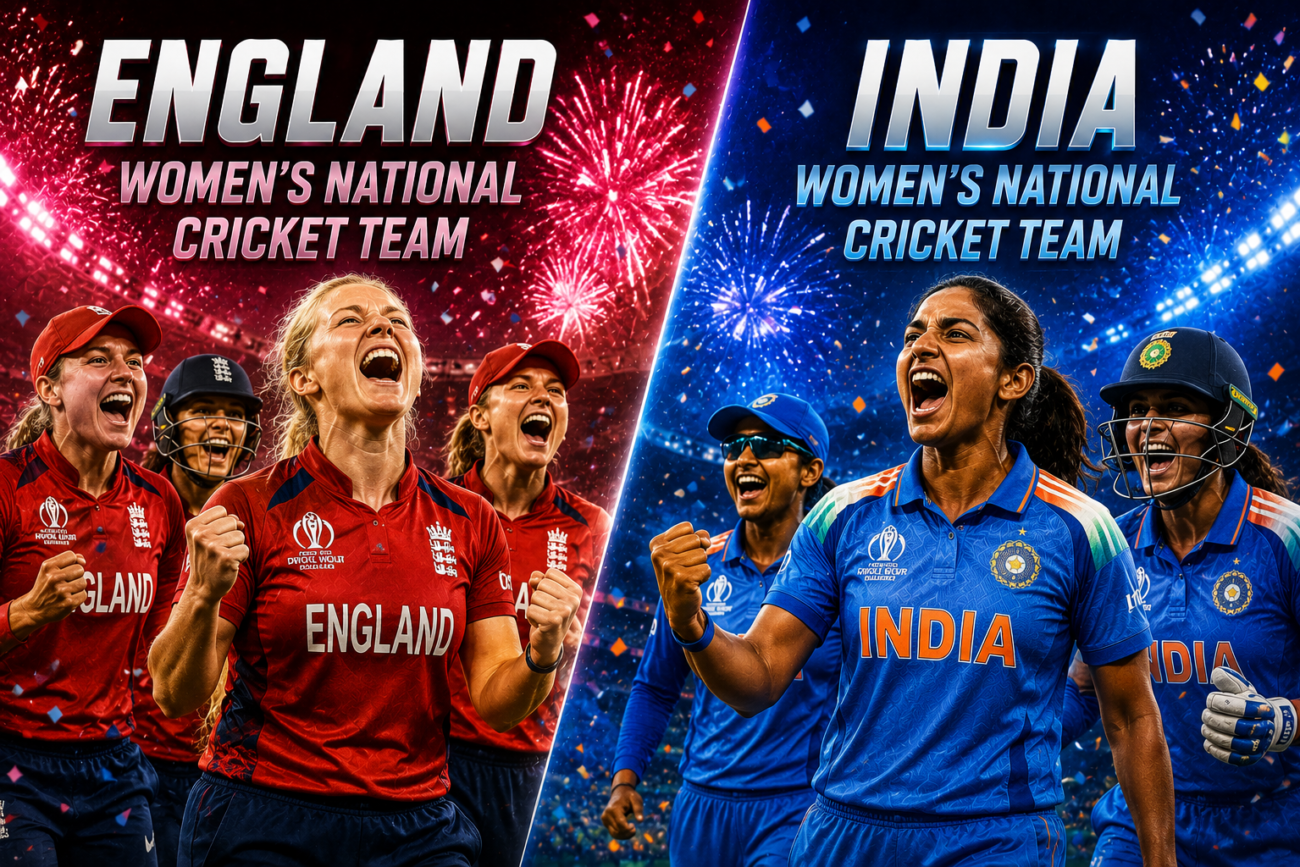
The England Women’s National Cricket Team Vs India Women’s National Cricket Team Players comparison has become one of the most searched topics among women’s cricket fans. Both teams feature world-class batters, elite fast bowlers, experienced all-rounders, and young stars capable of changing a match in a matter of overs. Their contests across ICC tournaments, bilateral series, and multi-format tours have helped elevate women’s cricket to a global audience. This guide looks beyond simple squad lists by analyzing probable playing XIs, key performers, leadership, strengths, recent form, head-to-head records, and the players most likely to influence future encounters.
Squad Overview
England and India have built balanced squads with a healthy mix of experienced internationals and exciting young talent. England traditionally relies on aggressive batting, disciplined seam bowling, and versatile all-rounders. India, meanwhile, combines technically gifted batters with improving pace options and one of the strongest spin attacks in international cricket.
England generally prefers an attacking brand of cricket, while India often builds innings patiently before accelerating during the later stages. Both approaches have produced memorable victories in ICC tournaments and bilateral contests.
Probable Playing XI
| England Women Players | India Women Players |
| Tammy Beaumont | Smriti Mandhana |
| Sophia Dunkley | Shafali Verma |
| Nat Sciver-Brunt | Harmanpreet Kaur |
| Heather Knight | Jemimah Rodrigues |
| Alice Capsey | Richa Ghosh |
| Amy Jones | Deepti Sharma |
| Charlie Dean | Amanjot Kaur |
| Sophie Ecclestone | Pooja Vastrakar |
| Lauren Bell | Radha Yadav |
| Kate Cross | Renuka Singh Thakur |
| Lauren Filer | Shreyanka Patil |
These lineups may vary depending on the format, pitch conditions, injuries, and tournament requirements.
Key Batters
England’s batting strength
England’s batting lineup revolves around consistency and attacking intent. Tammy Beaumont provides stability at the top, while Nat Sciver-Brunt is among the world’s finest all-format batters. Heather Knight adds experience, and Sophia Dunkley can accelerate against both pace and spin.
Alice Capsey represents England’s next generation, bringing fearless stroke play and flexibility in the middle order.
India’s batting strength
India possesses one of the strongest batting groups in women’s cricket. Smriti Mandhana is known for elegant stroke-making and quick scoring in the powerplay. Harmanpreet Kaur has repeatedly delivered under pressure in ICC events, while Jemimah Rodrigues provides stability through the middle overs.
Shafali Verma’s fearless approach can completely alter the momentum of a game within the first few overs.
Key Bowlers
England’s bowling attack
England combines quality pace with world-class spin. Sophie Ecclestone consistently ranks among the world’s leading bowlers thanks to her accuracy and wicket-taking ability.
Lauren Bell uses bounce effectively, Kate Cross relies on swing and discipline, while Charlie Dean offers control through the middle overs.
India’s bowling attack
India’s bowling has improved significantly over recent years. Renuka Singh Thakur leads the pace attack with excellent movement using the new ball.
Deepti Sharma controls the middle overs with intelligent off-spin, while Radha Yadav and Shreyanka Patil add variety and wicket-taking options.
Captains and Leadership
England’s leadership
Heather Knight has guided England through multiple ICC tournaments and bilateral series. Her calm decision-making and tactical awareness have helped England remain among the strongest teams in international cricket.
India’s leadership
Harmanpreet Kaur has transformed India’s aggressive mindset. She encourages attacking cricket while leading from the front with match-winning innings in major tournaments.
Both captains have extensive international experience and are respected for handling pressure during high-profile matches.
Young Players to Watch
England’s emerging stars
England continues to invest heavily in youth development.
- Alice Capsey
- Lauren Bell
- Lauren Filer
- Charlie Dean
These players have already impressed against top international opposition.
India’s rising talents
India has produced several exciting youngsters capable of becoming future superstars.
- Shafali Verma
- Amanjot Kaur
- Shreyanka Patil
- Richa Ghosh
Their fearless style reflects the changing face of Indian women’s cricket.
Star Players Comparison
| Player | International Matches* | Runs | Wickets |
| Nat Sciver-Brunt | 250+ | 7,000+ | 180+ |
| Heather Knight | 300+ | 7,000+ | 70+ |
| Sophie Ecclestone | 180+ | 500+ | 300+ |
| Harmanpreet Kaur | 320+ | 7,000+ | 90+ |
| Smriti Mandhana | 250+ | 7,000+ | — |
| Deepti Sharma | 250+ | 4,000+ | 250+ |
*Combined international career figures (approximate and subject to change after new matches).
The table highlights how both teams rely on experienced match-winners who contribute across multiple formats.
Impact Players
England
Nat Sciver-Brunt remains England’s biggest match-winner because she influences games with both bat and ball.
Sophie Ecclestone frequently changes matches by breaking partnerships and controlling the scoring rate.
Tammy Beaumont often provides strong starts that allow England to dominate the innings.
India
Smriti Mandhana can seize control during the powerplay with elegant attacking strokes.
Harmanpreet Kaur is renowned for delivering under pressure in knockout matches.
Deepti Sharma consistently contributes in all departments, making her indispensable.
Strengths and Weaknesses
England
Strengths
- Deep batting lineup
- Excellent seam attack
- World-class spin bowling
- Strong fielding standards
- Extensive ICC tournament experience
Weaknesses
- Can struggle against quality spin on slow pitches
- Occasionally loses wickets quickly during aggressive starts
India
Strengths
- Outstanding top-order batting
- Elite spin options
- Experienced captaincy
- Strong middle-order depth
- Improved pace attack
Weaknesses
- Lower-order batting can be inconsistent
- Fast bowling depth is still developing compared to England
Head-to-Head Record
England and India have produced competitive contests across Tests, One-Day Internationals, and Twenty20 Internationals.
| Format | Matches | England Wins | India Wins | Draw/No Result |
| Tests | 15+ | England Lead | India Trail | Several Draws |
| ODIs | 75+ | England Lead | India Improving | Few No Results |
| T20Is | 30+ | Closely Contested | Closely Contested | Few No Results |
Historically, England dominated women’s cricket for decades, but India has significantly reduced the gap during the past ten years.
Why These Players Matter
Every major contest between England and India showcases different cricketing philosophies.
England emphasizes athletic fielding, disciplined bowling, and batting depth.
India combines technically gifted batting with increasingly effective pace bowling and world-class spin options.
The presence of experienced leaders alongside fearless youngsters has made this rivalry one of the most entertaining in women’s international cricket.
Fans can expect future matches to feature high-quality performances from established stars while introducing new talents capable of becoming the next generation of match winners.
Final Thought
England and India possess two of the strongest squads in modern women’s cricket. England brings remarkable depth, experienced leaders, and one of the world’s best bowling attacks, while India counters with explosive batters, dependable all-rounders, and improving bowling resources. As both teams continue investing in young talent, future contests promise even greater excitement. Whether in Tests, ODIs, or T20Is, matches between these teams consistently feature elite players capable of producing unforgettable performances.
