Table of Contents
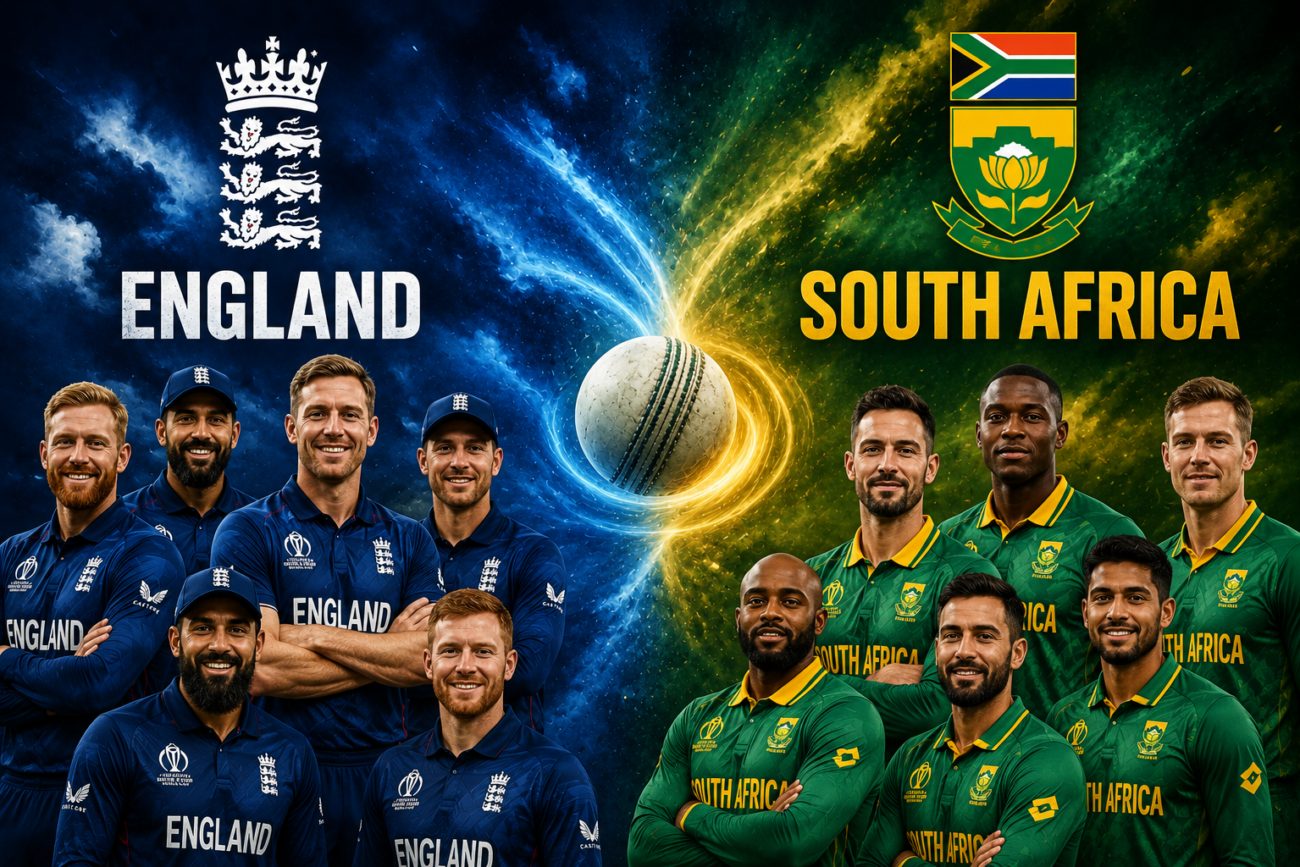
England Cricket Team Vs South Africa National Cricket Team Timeline showcases one of cricket’s most respected and enduring rivalries. Spanning more than a century, this contest has delivered unforgettable Test matches, thrilling One Day Internationals, and intense T20 encounters. Both nations have produced legendary players who shaped the sport through remarkable performances and fierce competition. From historic first meetings to modern-day battles, every series has contributed new chapters filled with drama, tactical brilliance, and memorable scorecards. Supporters from both countries have witnessed iconic victories, heartbreaking defeats, and record-breaking achievements that continue to define this rivalry’s rich legacy in international cricket history.
Recent Matches Table
| Match Type | Match Date | Venue | Winner | Winning Margin | Top Scorer | Best Bowler |
| ODI | Sep 02 2025 | Leeds | South Africa | 7 wickets | L Wolvaardt | M Kapp |
| ODI | Sep 04 2025 | London | South Africa | 5 runs | H Klaasen | A Nortje |
| ODI | Sep 07 2025 | Southampton | England | 342 runs | J Buttler | J Archer |
| T20I | Sep 10 2025 | Cardiff | South Africa | 14 runs | Q de Kock | T Shamsi |
| T20I | Sep 12 2025 | Manchester | England | 146 runs | P Salt | A Rashid |
| T20I | Jun 21 2024 | Gros Islet | South Africa | 7 runs | Q de Kock | K Maharaj |
Match Overview Table
| Match Format | Matches Played | England Wins | South Africa Wins | Matches Tied | No Result | Historical Period |
| Test Matches | 156 | 66 | 35 | 0 | 55 | 1889 to 2022 |
| One Day International | 71 | 31 | 35 | 1 | 4 | 1992 to 2025 |
| Twenty20 International | 27 | 13 | 13 | 0 | 1 | 2007 to 2025 |
| ICC World Cup | 8 | 4 | 4 | 0 | 0 | 1992 to 2023 |
| ICC T20 World Cup | 7 | 2 | 5 | 0 | 0 | 2007 to 2024 |
| Total Encounters | 269 | 116 | 92 | 1 | 60 | 1889 to 2025 |
Best Bowling Figures Table
| Bowler Name | National Team | Match Format | Wickets Taken | Runs Conceded | Bowling Economy | Opposition Team |
| G Lohmann | England | Test | 9 | 28 | 1.10 | South Africa |
| S Barnes | England | Test | 8 | 56 | 2.32 | South Africa |
| M Ntini | South Africa | Test | 7 | 37 | 2.50 | England |
| K Rabada | South Africa | Test | 7 | 112 | 3.10 | England |
| J Archer | England | ODI | 6 | 40 | 4.00 | South Africa |
| T Shamsi | South Africa | T20I | 5 | 24 | 6.00 | England |
Statistical Comparison Table
| Team Metric | Test High | Test Low | ODI High | ODI Low | T20I High | T20I Low |
| England Records | 654 | 46 | 414 | 103 | 304 | 54 |
| South Africa Records | 681 | 30 | 399 | 72 | 244 | 98 |
| England Averages | 315 | 145 | 245 | 150 | 168 | 110 |
| South Africa Averages | 290 | 120 | 261 | 140 | 162 | 105 |
| Ground Maxima | 736 | 72 | 414 | 72 | 304 | 54 |
| Series Margins | 4 to 1 | 1 to 0 | 3 to 0 | 2 to 1 | 3 to 0 | 2 to 1 |
Match Result and Player of the Match Table
| Match Venue | Match Date | Winning Team | Run Margin | Wicket Margin | Player of Match | Format Category |
| Leeds Stadium | Sep 02 2025 | South Africa | 0 | 7 | L Wolvaardt | One Day International |
| Lords Ground | Sep 04 2025 | South Africa | 5 | 0 | H Klaasen | One Day International |
| Southampton Oval | Sep 07 2025 | England | 342 | 0 | J Buttler | One Day International |
| Cardiff Gardens | Sep 10 2025 | South Africa | 14 | 0 | Q de Kock | Twenty20 International |
| Manchester Ground | Sep 12 2025 | England | 146 | 0 | P Salt | Twenty20 International |
| Gros Islet Field | Jun 21 2024 | South Africa | 7 | 0 | Q de Kock | Twenty20 International |
When Cricket Returned to an Old Relationship
The rivalry between England and South Africa stands among cricket’s most fascinating contests, built on history, tradition, and mutual respect. From the earliest tours in the nineteenth century to modern international tournaments, matches between these nations have often reflected changing eras in world cricket. England initially held a strong advantage thanks to its established domestic structure and experienced players. South Africa, however, gradually evolved into a formidable opponent capable of challenging any team in any condition. Over time, encounters became known for competitive cricket, tactical battles, and memorable individual performances. Fans from both nations eagerly followed every series, creating an atmosphere filled with anticipation and excitement. The relationship between the two teams extended beyond simple competition, influencing player development, strategic innovation, and international cricket culture. Each contest added another chapter to a story that continues to captivate cricket followers across generations.
| Early Tours | Historic Venues | Playing Style | Series Impact |
| 1888-89 | Lord’s | Traditional Batting | Foundation of Rivalry |
| 1895-96 | The Oval | Seam Bowling | Growing Competition |
| 1905-06 | Johannesburg | Defensive Cricket | Tactical Development |
| 1922-23 | Cape Town | Balanced Approach | Wider Global Interest |
| 1938-39 | Durban | Aggressive Intent | Stronger International Status |
The First Battles That Set the Tone
The earliest meetings established many characteristics that would define future contests. England entered these matches with greater experience, while South Africa relied on determination and local knowledge. Early scorecards often revealed England’s superior batting depth, but South African bowlers frequently produced spirited performances that kept games competitive. These encounters introduced several talented cricketers whose contributions shaped the rivalry’s identity. Crowds witnessed tense passages of play, patient batting displays, and disciplined bowling spells. As victories and defeats accumulated, both teams began understanding each other’s strengths and weaknesses. The foundations of a long-lasting competitive relationship were laid during these formative years, creating expectations that future generations would continue to uphold whenever the two sides met on the cricket field.
| Match Era | Winning Side | Key Strength | Notable Feature |
| Early Tests | England | Batting Depth | Consistency |
| Home Series | South Africa | Local Conditions | Competitive Spirit |
| Touring Matches | England | Experience | Tactical Control |
| Decisive Games | Mixed Results | Adaptability | Close Finishes |
| Landmark Encounters | Both Teams | Team Balance | Growing Rivalry |
South Africa Finds Its Voice on the International Stage
As South African cricket matured, the balance between the two nations became increasingly competitive. Improved domestic structures helped develop skilled batters and disciplined fast bowlers capable of challenging elite opposition. England could no longer rely solely on historical dominance. Several series produced dramatic results as South Africa demonstrated greater confidence and tactical awareness. Victories against strong English sides boosted national pride and signaled the arrival of a serious cricketing force. The rivalry gained intensity as players embraced the challenge of facing opponents with contrasting styles and strategies. Every contest carried greater significance, with supporters recognizing that results could no longer be predicted easily. This period marked a turning point in which South Africa emerged as a genuine contender on the international stage.
| Development Area | Improvement | Result |
| Domestic Cricket | Stronger Talent Pool | Better Test Performances |
| Fast Bowling | Greater Pace | Match-Winning Spells |
| Batting Quality | More Consistency | Competitive Totals |
| Leadership | Better Strategy | Series Success |
| Fielding Standards | Higher Efficiency | Improved Results |
Decades Interrupted but Never Forgotten
The interruption of regular international competition created a unique chapter in cricket history. During this period, generations of players were denied opportunities to compete against each other on the global stage. Despite the absence of official contests, memories of earlier battles remained strong among supporters and cricket historians. Discussions frequently centered on how future encounters might unfold if competition resumed. England continued developing new stars, while South African cricket preserved its traditions and ambitions. The pause added an element of anticipation to the rivalry, ensuring that eventual reunions would carry emotional significance. When cricket followers reflected on past contests, they recognized the enduring importance of a relationship that had contributed significantly to the sport’s development.
| Aspect | Impact | Long-Term Effect |
| Missed Series | Reduced Competition | Increased Anticipation |
| Player Generations | Lost Opportunities | Historical Curiosity |
| Fan Interest | Continued Discussions | Lasting Engagement |
| Cricket Development | Separate Growth Paths | Different Strategies |
| Future Meetings | Greater Expectations | Renewed Excitement |
The Rivalry Reawakens After Readmission
The return of South Africa to international cricket brought renewed excitement across the cricketing world. Matches against England immediately attracted significant attention because supporters understood the historical importance of the rivalry. Players from both teams embraced the opportunity to create new memories while respecting the legacy established by earlier generations. Competitive series quickly demonstrated that South Africa remained a powerful cricketing nation. Close contests, impressive individual performances, and dramatic momentum swings reminded fans why these encounters were so highly regarded. The renewed rivalry blended history with modern cricket, producing compelling narratives that attracted global audiences and strengthened the sport’s international appeal.
| Series Element | Outcome | Importance |
| Return Matches | High Interest | Historic Occasion |
| Competitive Cricket | Close Results | Renewed Rivalry |
| Emerging Stars | Strong Performances | New Era Begins |
| Fan Support | Large Audiences | Global Attention |
| Series Battles | Intense Competition | Lasting Impact |
The Era of Pollock, Donald and England’s Toughest Tests
Few periods produced more challenging cricket than the era dominated by elite fast bowlers. South Africa’s pace attack consistently tested England’s batting lineup through accuracy, movement, and relentless pressure. Bowlers created opportunities by exploiting conditions and maintaining disciplined lines. England responded with resilience, seeking partnerships capable of neutralizing the threat. Matches often hinged on crucial sessions where momentum shifted rapidly between teams. Tactical planning became increasingly important as captains searched for advantages against world-class opponents. The quality of cricket reached exceptional standards, ensuring that many encounters from this era remain memorable among fans and analysts alike.
| Bowling Star | Key Attribute | Impact |
| Allan Donald | Raw Pace | Match Control |
| Shaun Pollock | Accuracy | Consistent Pressure |
| England Seamers | Swing Bowling | Crucial Breakthroughs |
| Middle Order Batters | Patience | Important Partnerships |
| Captains | Tactical Planning | Series Influence |
Flintoff, Kallis and the Fight for Supremacy
The rivalry entered another fascinating phase when elite all-rounders became central figures. Their ability to influence matches with both bat and ball added new dimensions to contests between the two sides. Teams increasingly relied on versatile players capable of changing momentum during critical moments. Intense competition, strategic battles, and memorable performances defined this period. Supporters witnessed remarkable displays of skill, determination, and leadership from players who consistently delivered under pressure. The contest for supremacy remained closely balanced, ensuring that every series attracted widespread attention. This era reinforced the rivalry’s reputation as one of international cricket’s most respected and competitive relationships.
| All-Round Influence | Batting Value | Bowling Value | Team Benefit |
| Match Stability | Runs Under Pressure | Key Wickets | Balance |
| Tactical Flexibility | Middle Order Strength | Control Overs | Adaptability |
| Leadership Presence | Experience | Confidence | Momentum |
| Big Match Impact | Consistency | Breakthroughs | Success |
| Series Contribution | Reliable Performances | Competitive Edge | Results |
Conclusion
England Cricket Team Vs South Africa National Cricket Team Timeline reflects a rivalry built on excellence, resilience, and mutual respect. Across generations, both sides have challenged each other through outstanding batting displays, world-class fast bowling, and unforgettable match-winning performances. The rivalry has evolved with changing eras while maintaining its competitive spirit and global appeal. Historic scorecards, legendary players, and dramatic encounters have ensured lasting memories for cricket fans worldwide. As new talents emerge and future series unfold, this remarkable contest will continue adding fresh chapters to a story that remains among the most celebrated and influential rivalries in international cricket.
FAQs
Q1. When did England and South Africa first play an official Test match?
A1. England and South Africa played their first official Test match during South Africa’s inaugural Test series in 1889.
Q2. Which format has produced the most memorable matches between the two teams?
A2. Test cricket has produced many of the most historic and closely contested matches, although ODIs and T20Is have also delivered dramatic moments.
Q3. Who are some legendary players associated with this rivalry?
A3. Jacques Kallis, Allan Donald, Shaun Pollock, Graeme Smith, Joe Root, James Anderson, Stuart Broad, and Andrew Flintoff are among the standout names.
Q4. What makes this rivalry special in world cricket?
A4. Its long history, competitive balance, legendary players, and memorable performances make it one of cricket’s most respected rivalries.
Q5. Which aspect has often decided matches between these teams?
A5. Fast bowling has frequently been the defining factor, with both nations producing world-class pace attacks capable of changing matches quickly.
