Table of Contents
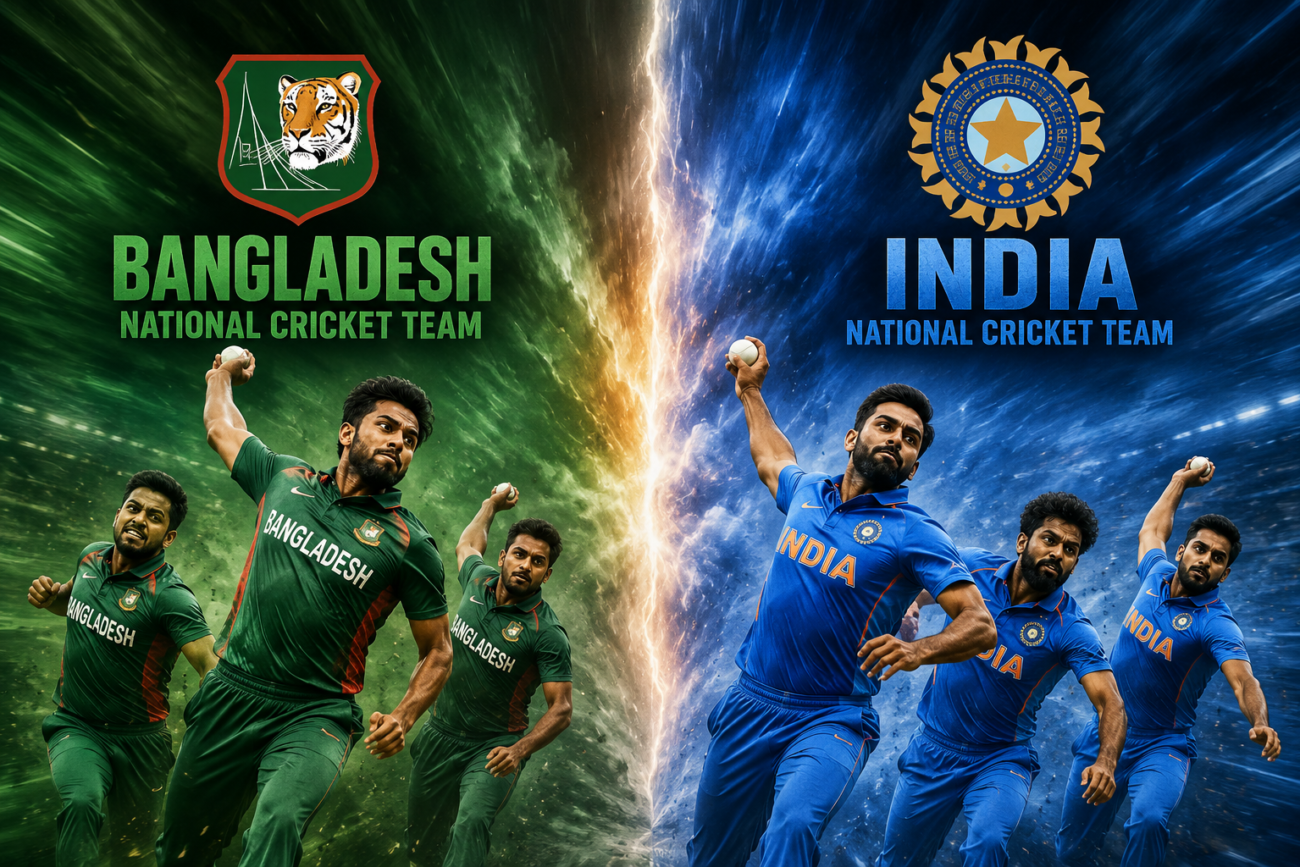
The rivalry between Bangladesh and India has developed into one of the most fascinating stories in Asian cricket. What began as a contest between an established powerhouse and a developing cricket nation gradually transformed into a competitive battle filled with memorable victories, dramatic finishes, and emotional moments. Over the years, both teams have produced outstanding performances across Tests, One Day Internationals, and T20 Internationals. Talented players, passionate supporters, and high-pressure encounters have added excitement to every meeting. This journey highlights the growth of competitive cricket in the region and showcases how determination, skill, and ambition have shaped a rivalry respected by fans around the world.
Recent Matches Table
| Match | Date | Format | Venue | First Innings | Second Innings | Winner |
| Match 1 | 12 October 2024 | T20I | Hyderabad | India 297/6 | Bangladesh 164/7 | India |
| Match 2 | 9 October 2024 | T20I | New Delhi | India 221/9 | Bangladesh 135/9 | India |
| Match 3 | 6 October 2024 | T20I | Gwalior | Bangladesh 127 | India 132/3 | India |
| Match 4 | 27 September 2024 | Test | Kanpur | Bangladesh 233 | India 285/9d | India |
| Match 5 | 19 September 2024 | Test | Chennai | India 376 | Bangladesh 149 | India |
| Match 6 | 22 June 2024 | T20I | North Sound | India 196/5 | Bangladesh 146/8 | India |
Best Bowling Figures Table
| Bowler | Team | Format | Figures | Overs | Opponent | Year |
| Stuart Binny | India | ODI | 6 wickets for 4 runs | 4.4 | Bangladesh | 2014 |
| Anil Kumble | India | ODI | 3 wickets for 14 runs | 8.0 | Bangladesh | 1998 |
| Mustafizur Rahman | Bangladesh | ODI | 6 wickets for 43 runs | 9.2 | India | 2015 |
| Taskin Ahmed | Bangladesh | ODI | 5 wickets for 28 runs | 8.0 | India | 2014 |
| Shakib Al Hasan | Bangladesh | Test | 5 wickets for 62 runs | 29.5 | India | 2010 |
| Mehidy Hasan Miraz | Bangladesh | Test | 5 wickets for 63 runs | 19.0 | India | 2022 |
Statistical Comparison Table
| Parameter | India Test | Bangladesh Test | India ODI | Bangladesh ODI | India T20I | Bangladesh T20I |
| Highest Team Total | 687/6 | 400 | 414/7 | 330/6 | 297/6 | 166/8 |
| Lowest Team Total | 105 | 91 | 105 | 58 | 132/3 | 96 |
| Most Runs Scored | Sachin Tendulkar | Mushfiqur Rahim | Virat Kohli | Shakib Al Hasan | Rohit Sharma | Mahmudullah |
| Most Wickets Taken | Ravichandran Ashwin | Shakib Al Hasan | Mohammed Shami | Shakib Al Hasan | Yuzvendra Chahal | Shakib Al Hasan |
| Highest Individual Score | Virat Kohli | Mushfiqur Rahim | Virat Kohli | Tamim Iqbal | Sanju Samson | Sabbir Rahman |
| Best Bowling Innings | Ravichandran Ashwin | Shakib Al Hasan | Stuart Binny | Mustafizur Rahman | Deepak Chahar | Al-Amin Hossain |
Match Result and Player of the Match Table
| Edition | Date | Location | Result Margins | Winning Team | Player of Match | Top Performer |
| Hyderabad T20I | 12 October 2024 | Hyderabad | Won by 133 runs | India | Sanju Samson | Sanju Samson |
| New Delhi T20I | 9 October 2024 | New Delhi | Won by 86 runs | India | Nitish Kumar Reddy | Nitish Kumar Reddy |
| Gwalior T20I | 6 October 2024 | Gwalior | Won by 7 wickets | India | Arshdeep Singh | Arshdeep Singh |
| Kanpur Test | 1 October 2024 | Kanpur | Won by 7 wickets | India | Yashasvi Jaiswal | Yashasvi Jaiswal |
| Chennai Test | 22 September 2024 | Chennai | Won by 280 runs | India | Ravichandran Ashwin | Ravichandran Ashwin |
| Antigua T20I | 22 June 2024 | North Sound | Won by 50 runs | India | Hardik Pandya | Hardik Pandya |
When a New Cricket Nation Faced a Giant
The rivalry began with a significant gap in experience and achievements. One side entered international cricket as an emerging nation eager to prove its capabilities, while the other already possessed a rich history filled with major tournament appearances and legendary players. Early contests often appeared one sided, yet they played a crucial role in building confidence and exposure for the developing team. Every match offered valuable lessons about handling pressure, adapting to different conditions, and competing against world class opponents. Fans from both countries closely followed these encounters because they represented more than just cricket. They reflected regional pride, ambition, and the desire to establish a stronger presence in international competitions. These early meetings laid the foundation for a rivalry that would gradually evolve into one of the most watched contests in Asian cricket.
| Aspect | Team A | Team B | Impact |
| Experience | Established | Emerging | Learning phase |
| Fan Support | Massive | Growing | Regional interest |
| Match Pressure | High | Very High | Development |
| Expectations | Victory | Improvement | Motivation |
| Result Trend | Dominant | Competitive Effort | Rivalry Growth |
The First Encounters That Started the Journey
The first official meetings introduced fans to a developing competitive relationship. Although results frequently favored the stronger side, these matches provided important milestones for young players seeking recognition at the highest level. Batters faced quality bowling attacks while bowlers learned how to challenge experienced lineups. Each contest contributed to tactical understanding and team development. Coaches used these opportunities to evaluate talent and identify areas requiring improvement. Spectators witnessed flashes of brilliance from emerging stars who would later become major figures in international cricket. While victories were difficult to achieve, the experience gained during these encounters proved invaluable. The foundations of future competitiveness were established through determination, resilience, and the willingness to learn from every challenge.
| Element | Observation | Effect | Outcome |
| Batting | Improving Technique | Better Partnerships | More Runs |
| Bowling | Valuable Experience | Greater Discipline | Stronger Attacks |
| Fielding | Increased Standards | Saved Runs | Competitive Matches |
| Leadership | Strategic Growth | Better Decisions | Team Progress |
| Confidence | Gradual Rise | Improved Performance | Future Success |
The Shockwave That Changed Perceptions
One unforgettable tournament clash dramatically altered how many observers viewed the developing side. Entering the contest as underdogs, they displayed remarkable composure and fearless cricket against a favored opponent. Young players delivered performances that exceeded expectations, while experienced members guided the team through crucial moments. The victory generated excitement throughout the cricketing world and demonstrated that determination could overcome reputation. Fans celebrated passionately, recognizing the result as a landmark achievement. The match also served as a reminder that no team could afford complacency in major tournaments. Beyond the scoreboard, it inspired a new generation of cricketers and strengthened belief that future success was possible on the biggest stages.
| Factor | Contribution | Significance | Legacy |
| Batting Effort | Consistent Runs | Competitive Total | Historic Memory |
| Bowling Display | Key Wickets | Match Control | Confidence Boost |
| Team Spirit | Strong Unity | Resilience | Inspiration |
| Fan Emotion | Massive Support | National Pride | Lasting Impact |
| Tournament Value | High Stakes | Global Attention | Recognition |
Years of Learning and Development
Following several challenging seasons, steady progress became increasingly visible. Young players matured into dependable performers, while coaching structures improved preparation and consistency. The team began competing more effectively across different conditions and formats. Close matches replaced heavy defeats, demonstrating significant advancement in skills and confidence. Batting units showed greater patience, bowlers developed better control, and fielding standards improved considerably. Supporters recognized the positive direction and continued backing the team through difficult periods. These years may not have produced frequent victories, but they were essential in creating a stronger and more balanced squad capable of competing against elite opposition.
| Area | Early Stage | Improved Stage | Benefit |
| Batting | Inconsistent | Reliable | More Stability |
| Bowling | Raw Talent | Tactical Control | Better Results |
| Fielding | Basic | Athletic | Run Savings |
| Fitness | Developing | Professional | Endurance |
| Planning | Limited | Detailed | Competitive Edge |
Home Conditions Begin to Influence Results
As confidence increased, performances on familiar surfaces became more impressive. Home venues provided conditions that suited local strengths and allowed players to execute plans more effectively. Visiting teams discovered that success was no longer guaranteed, as disciplined bowling and energetic fielding created constant pressure. Crowds added another dimension by generating intense atmospheres that inspired players throughout difficult moments. Strategic use of local knowledge became a major advantage, helping the team challenge stronger opponents more consistently. Several memorable victories during this period transformed perceptions and highlighted the growing competitiveness of the rivalry.
| Component | Home Advantage | Effect | Result |
| Pitch Knowledge | Strong | Better Execution | Competitive Matches |
| Crowd Support | Intense | Motivation | Higher Energy |
| Bowling Plans | Effective | Wicket Opportunities | Match Control |
| Team Confidence | Elevated | Positive Approach | Better Outcomes |
| Conditions | Familiar | Tactical Success | Strong Performances |
Growing Aggression and Competitive Spirit
As contests became closer, emotions naturally intensified. Players showed greater determination, celebrations became more passionate, and every contest carried increased significance. Competitive spirit remained within the boundaries of the game but reflected the desire of both teams to establish superiority. Tactical battles between captains became more important, with field placements, bowling changes, and batting strategies often deciding outcomes. Fans contributed to the atmosphere through enthusiastic support and lively discussions. These factors transformed ordinary fixtures into highly anticipated events that attracted widespread attention throughout the cricketing world.
| Feature | Influence | Importance | Outcome |
| Player Passion | High Energy | Competitive Edge | Intense Matches |
| Captaincy | Tactical Moves | Match Direction | Key Decisions |
| Crowd Involvement | Strong Support | Atmosphere | Excitement |
| Team Morale | Positive | Better Focus | Performance Growth |
| Rivalry Value | Increasing | Global Interest | Larger Audience |
High Pressure Encounters That Defined an Era
Several dramatic contests elevated the rivalry to a new level. Close finishes, outstanding individual performances, and memorable partnerships created lasting memories for supporters. Matches were often decided by small margins, proving how much both sides had evolved over time. Star players embraced responsibility during crucial situations, delivering performances that influenced tournament campaigns and series outcomes. These encounters highlighted the importance of preparation, adaptability, and mental strength. The rivalry became known for producing entertaining cricket that balanced skill, emotion, and unpredictability. As a result, every future meeting carried anticipation and excitement among fans around the world.
| Match Element | Role | Impact | Significance |
| Close Finishes | High Drama | Fan Engagement | Memorable Moments |
| Star Players | Leadership | Match Winning Efforts | Recognition |
| Partnerships | Stability | Momentum Shift | Success |
| Bowling Spells | Pressure Creation | Key Breakthroughs | Match Turning Points |
| Tournament Context | Greater Stakes | Global Attention | Historic Value |
Conclusion
The cricketing relationship between these two neighboring nations has evolved significantly through decades of competition. Early encounters focused on learning and development, while later matches produced genuine rivalry, intense pressure, and unforgettable moments. Several contests have been decided by narrow margins, reflecting the progress and maturity of both teams. Outstanding individual performances, tactical battles, and passionate fan support have made every meeting highly anticipated. As new generations of players continue to emerge, the rivalry promises to deliver even more excitement in the future. Its rich history serves as a testament to the growth of cricket in Asia and the enduring appeal of international competition.
FAQs
What makes this rivalry special in Asian cricket?
The rivalry combines regional pride, passionate fan support, memorable matches, and the growth of competitive cricket between neighboring nations.
Which format has produced the most memorable encounters?
One Day Internationals have delivered many of the most dramatic contests, including tournament matches and closely fought bilateral series.
How has the competitive balance changed over time?
The gap between the teams has narrowed significantly as experience, player development, and tactical awareness have improved.
Which factors have influenced major results?
Batting partnerships, disciplined bowling, fielding standards, captaincy decisions, and adaptability to conditions have often determined outcomes.
Why do fans eagerly follow these matches?
Supporters enjoy the intense atmosphere, talented players, historical significance, and unpredictable nature of contests between the two sides.
