Table of Contents
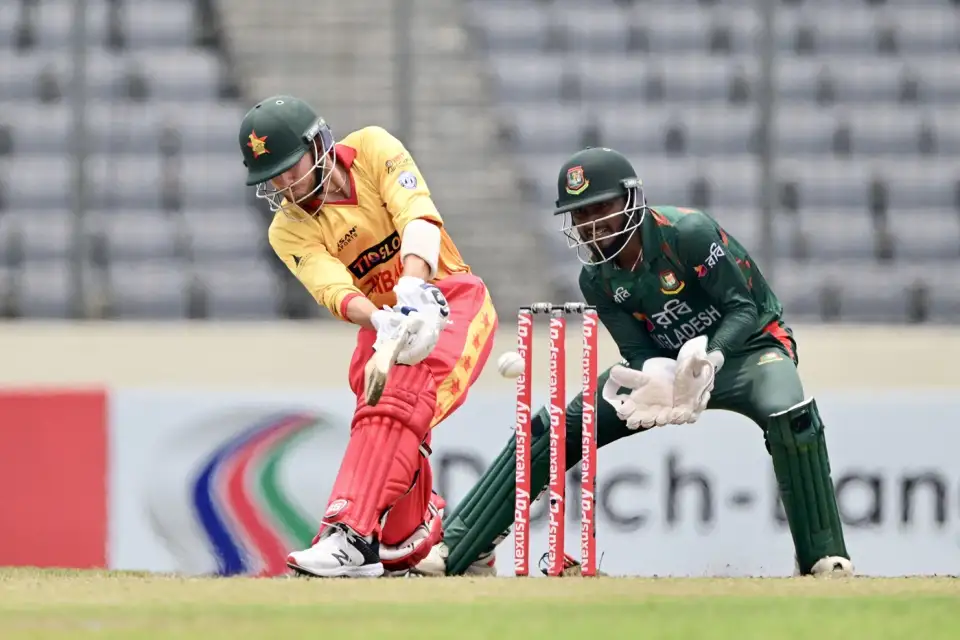
The Bangladesh National Cricket Team vs Zimbabwe National Cricket Team timeline is more than a sequence of matches and scorecards. It is a story of two emerging cricket nations battling for recognition, respect, and progress on the international stage. While cricket’s biggest headlines often belong to powerhouses such as India, Australia, or England, Bangladesh and Zimbabwe have quietly built one of the most fascinating rivalries in modern cricket. Their encounters have featured dramatic upsets, career-defining performances, historic series victories, and turning points that influenced the development of cricket in both countries. Understanding this timeline provides valuable insight into how both teams evolved from underdogs into respected international competitors.
How Bangladesh and Zimbabwe Became Natural Cricket Rivals
Unlike traditional rivalries built on geography or politics, Bangladesh and Zimbabwe developed their competition through circumstance. Both nations spent years fighting for relevance against stronger cricketing powers.
Zimbabwe gained Test status in 1992, while Bangladesh joined the elite Test-playing nations in 2000. As a result, they frequently faced each other in bilateral series, ICC tournaments, and qualification events.
Their matches became important because victories often carried major ranking implications. For both teams, defeating each other was not simply about winning a game—it was about proving progress.
| Rivalry Factor | Bangladesh | Zimbabwe |
|---|---|---|
| Test Status Granted | 2000 | 1992 |
| First International Meeting | Late 1990s | Late 1990s |
| Major Strength Era | 2010s-Present | 1990s-Early 2000s |
| Home Advantage Impact | Very Strong | Significant |
| Rivalry Importance | High | High |
The table highlights how similar developmental paths naturally created a long-lasting competitive relationship between the two sides.
The Early Years: Zimbabwe’s Dominance Before Bangladesh’s Rise
During the late 1990s and early 2000s, Zimbabwe generally held the upper hand. The team possessed experienced international cricketers who had already competed successfully against major nations.
Players such as Andy Flower, Grant Flower, and Heath Streak provided stability and experience.
Bangladesh, meanwhile, was still adjusting to international cricket. The team often showed promise but lacked consistency.
Early Rivalry Snapshot
| Period | Matches Trend | Dominant Team | Key Reason |
|---|---|---|---|
| 1997-2000 | Zimbabwe Ahead | Zimbabwe | Experience |
| 2000-2004 | Zimbabwe Ahead | Zimbabwe | Established Core |
| 2004-2006 | Competitive | Mixed | Bangladesh Improvement |
| 2007 Onward | Balanced | Both Teams | Growing Talent |
Zimbabwe’s superiority during this era laid the foundation for a rivalry that would become much more balanced over time.
The Historic 2005 Victory That Changed Bangladesh Cricket
Every rivalry has a defining moment. For Bangladesh, one of those moments arrived in 2005.
The Tigers secured significant victories over Zimbabwe that boosted confidence across the cricketing world. More importantly, the wins demonstrated that Bangladesh could consistently compete at the international level.
Young players began believing they belonged on the same stage as established opponents.
| Historic Moment | Significance |
|---|---|
| Bangladesh Series Success | Improved Confidence |
| Emerging Young Core | Foundation for Future |
| Increased Public Support | Growth of Cricket Culture |
| Better ICC Recognition | Rising Reputation |
The impact extended beyond the scoreboard. It accelerated Bangladesh’s cricket development and encouraged investment in player pathways.
Major Milestones
The rivalry contains several landmark moments that shaped its history.
| Year | Event | Importance |
|---|---|---|
| 1997 | Early ICC Encounters | Rivalry Begins |
| 2000 | Bangladesh Becomes Test Nation | New Chapter |
| 2005 | Bangladesh Major Series Win | Shift in Momentum |
| 2011 | Competitive ODI Battles | Balance Returns |
| 2014 | Bangladesh Dominance Period Starts | New Era |
| 2020s | Frequent Bilateral Meetings | Continued Relevance |
These milestones reveal how the rivalry evolved from one-sided contests into a genuinely competitive relationship.
The Players Who Defined the Rivalry Across Generations
No timeline is complete without acknowledging the individuals who shaped it.
For Zimbabwe, legends such as Andy Flower and Heath Streak represented resilience during difficult periods.
Bangladesh eventually produced its own icons. Cricketers such as Shakib Al Hasan, Tamim Iqbal, and Mashrafe Mortaza transformed the Tigers into a formidable side.
| Bangladesh Stars | Zimbabwe Stars |
|---|---|
| Shakib Al Hasan | Andy Flower |
| Tamim Iqbal | Heath Streak |
| Mashrafe Mortaza | Brendan Taylor |
| Mushfiqur Rahim | Hamilton Masakadza |
The rivalry often reflected the changing generations of these influential cricketers.
Why Home Conditions Frequently Decide the Outcome
One fascinating aspect of the Bangladesh National Cricket Team vs Zimbabwe National Cricket Team timeline is the enormous influence of home conditions.
Bangladesh traditionally thrives on slower pitches that assist spin bowling. Zimbabwe, meanwhile, has often enjoyed success on surfaces offering pace and bounce.
This contrast has produced dramatically different results depending on venue.
| Venue Type | Advantage |
|---|---|
| Dhaka and Chattogram Spin Tracks | Bangladesh |
| Harare Conditions | Zimbabwe |
| Neutral Venues | Balanced |
| ICC Events | Unpredictable |
The ability to adapt has frequently separated winners from losers in this rivalry.
Teams capable of quickly adjusting to local conditions have usually gained a decisive edge.
The Rise of Bangladesh as the Stronger Modern-Era Team
Perhaps the biggest theme within the rivalry is Bangladesh’s transformation.
During the 1990s, Zimbabwe was widely regarded as the stronger cricket nation. By the mid-2010s, that perception had changed dramatically.
Bangladesh invested heavily in domestic cricket, youth development, and coaching infrastructure. The results became visible through consistent international performances.
| Era | Stronger Team |
|---|---|
| 1997-2004 | Zimbabwe |
| 2005-2010 | Competitive |
| 2011-2015 | Bangladesh |
| 2016-Present | Bangladesh |
This shift illustrates how sustained investment can change the trajectory of a cricket nation.
The rivalry became a case study in cricket development and long-term planning.
Test Cricket Encounters and Their Historical Importance
Although both teams have played fewer Tests than leading nations, their red-ball contests remain significant.
Test matches between Bangladesh and Zimbabwe often carry special importance because both sides view them as realistic opportunities to secure victories.
| Test Rivalry Element | Impact |
|---|---|
| First-Innings Lead | Usually Crucial |
| Spin Bowling | Major Factor |
| Batting Partnerships | Match Defining |
| Fourth-Innings Pressure | Frequently Decisive |
Many of these Tests have served as milestones for young cricketers making their mark at the highest level.
The rivalry has therefore contributed directly to the growth of Test cricket outside the traditional power centers.
Statistical Trends That Explain the Rivalry
Statistics reveal several interesting patterns.
First, Bangladesh has enjoyed stronger results during the last decade. Second, Zimbabwe has historically been more competitive at home than many casual observers realize.
Third, spin bowling has frequently played a decisive role in determining outcomes.
| Trend | Observation |
|---|---|
| Recent Results | Bangladesh Advantage |
| Home Performance | Significant Factor |
| ODI Competitiveness | Generally Close |
| Test Results | Momentum Swings Common |
| Bowling Influence | Spin Often Dominates |
Numbers alone do not tell the whole story, but they help explain how the rivalry evolved over time.
What the Future Holds for the Rivalry
The future of the Bangladesh-Zimbabwe rivalry remains promising.
Bangladesh continues striving for consistency against top-ranked nations, while Zimbabwe is working to regain its former competitiveness through emerging talent and structural improvements.
Upcoming generations of players could create a fresh chapter in the rivalry.
Several factors will shape future encounters:
- Youth development programs
- Domestic cricket quality
- ICC tournament qualification opportunities
- Growth of T20 cricket
- Investment in coaching and facilities
If Zimbabwe’s rebuilding efforts continue successfully, future contests may become even more competitive than they are today.
For cricket fans, that prospect makes this rivalry one worth watching closely.
Conclusion
The Bangladesh National Cricket Team vs Zimbabwe National Cricket Team timeline tells the story of two nations that refused to remain on the margins of international cricket. Zimbabwe initially held the advantage through greater experience and established stars, but Bangladesh gradually transformed itself into a stronger and more consistent force. Along the way, both teams produced memorable matches, influential players, and important milestones that helped shape modern cricket beyond the traditional powerhouses. More than a rivalry of wins and losses, the Bangladesh National Cricket Team vs Zimbabwe National Cricket Team timeline reflects determination, development, resilience, and the enduring spirit of international cricket competition.
Frequently Asked Questions
What was the first major milestone in the Bangladesh National Cricket Team vs Zimbabwe National Cricket Team timeline?
One of the earliest major milestones was the emergence of regular international contests between the two nations during the late 1990s. These matches became particularly significant after Bangladesh received Test status in 2000. Zimbabwe’s experience helped establish the competitive framework of the rivalry, while Bangladesh used these encounters as opportunities to gain valuable international exposure. The period laid the foundation for a rivalry that would become increasingly balanced over the following decades.
Why is the Bangladesh and Zimbabwe cricket rivalry considered important?
The rivalry is important because it showcases the development of two emerging cricket nations outside the traditional elite group. Unlike rivalries dominated by global superpowers, Bangladesh and Zimbabwe often competed on relatively equal terms. Their matches frequently influenced ICC rankings, qualification campaigns, and player development. The rivalry also highlights how cricket has expanded globally and demonstrates the challenges faced by developing cricket nations striving for international success.
Which team has been stronger in recent years?
Bangladesh has generally been the stronger side during the last decade. Improved domestic structures, stronger player development systems, and the emergence of world-class performers such as Shakib Al Hasan helped Bangladesh achieve greater consistency. Zimbabwe has remained competitive, particularly at home, but Bangladesh’s overall record in recent years reflects its rise as a more established international cricket team capable of competing regularly against stronger opponents.
Who are the most influential players in this rivalry’s history?
Several players have left a lasting impact on the rivalry. For Zimbabwe, Andy Flower, Heath Streak, Brendan Taylor, and Hamilton Masakadza played significant roles. Bangladesh’s most influential figures include Shakib Al Hasan, Tamim Iqbal, Mushfiqur Rahim, and Mashrafe Mortaza. These players not only delivered outstanding performances but also helped shape the cricketing identities of their respective nations during important stages of development.
How have home conditions affected Bangladesh vs Zimbabwe matches?
Home conditions have often played a decisive role. Bangladesh typically benefits from spin-friendly pitches that suit its bowling strengths and experienced batters. Zimbabwe, meanwhile, has traditionally performed better on home surfaces that provide more assistance to pace bowlers. Teams that adapt quickly to unfamiliar conditions usually gain a significant advantage. This home-versus-away contrast is one of the most interesting tactical aspects of the rivalry.
What role has Test cricket played in the rivalry?
Test cricket has been crucial because both nations view these matches as realistic opportunities to achieve success in the longest format. Many Bangladesh-Zimbabwe Tests have featured emerging players seeking career-defining performances. These encounters have contributed to the development of red-ball cricket in both countries and provided valuable experience for future international stars. The rivalry has therefore played an important role in sustaining Test cricket among developing cricket nations.
