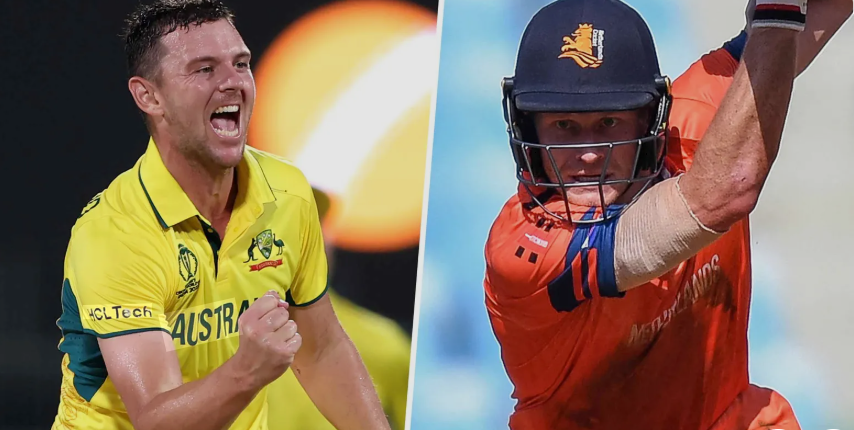
The contest between the two sides brought together contrasting cricketing worlds, one built on long standing dominance and the other shaped by steady growth and determination. From the first ball, the atmosphere reflected intensity, expectation, and curiosity about how the underdogs would respond to elite pressure. The stronger unit entered with confidence, relying on depth, experience, and execution, while the opposition looked to challenge moments and create surprises. Every phase of the match carried importance, from early breakthroughs to middle overs control and late innings acceleration. What unfolded was not just a game, but a clear reflection of preparation, adaptability, and mental strength under competitive international conditions.
Recent Matches Table
Match
Date
Format
Venue
Winner
Margin
Top Performer
Match 1
05 February 2026
T20I
Colombo
Abandoned
No Result
Rain
Match 2
25 October 2023
ODI
Delhi
Australia
309 runs
Glenn Maxwell
Match 3
28 October 2007
ODI
Basseterre
Australia
229 runs
Brad Hodge
Match 4
20 February 2003
ODI
Potchefstroom
Australia
75 runs
Damien Martyn
Match 5
18 March 1996
ODI
Potchefstroom
Australia
7 wickets
Mark Waugh
Match 6
Not Applicable
Not Applicable
Not Applicable
Not Applicable
Not Applicable
Not Applicable
Team Statistics Summary Table
Metric
Australia
Netherlands
Head to Head
Highest Total
Lowest Total
Most Wins
ODI Matches
4
4
4 Matches
399/8
90/10
Australia (4)
T20I Matches
1
1
1 Match
0/0
0/0
No Result (1)
World Cup
3
3
3 Matches
399/8
90/10
Australia (3)
Run Rate
6.84
3.42
5.13
7.98
1.80
Australia
Boundaries
82
34
116
45
8
Australia
Sixes
24
2
26
12
0
Australia
Individual Batting Records Table
Player
Team
Matches
Runs
High Score
Average
Strike Rate
Glenn Maxwell
Australia
1
106
106
106.00
240.90
David Warner
Australia
1
104
104
104.00
111.82
Brad Hodge
Australia
1
123
123
123.00
113.88
Damien Martyn
Australia
1
67
67
67.00
88.15
Vikramjit Singh
Netherlands
1
25
25
25.00
100.00
Michael Clarke
Australia
1
93
93
93.00
76.22
Individual Bowling Records Table
Bowler
Team
Overs
Wickets
Runs
Economy
Best Figures
Adam Zampa
Australia
3.0
4
8
2.66
4/8
Mitchell Marsh
Australia
4.0
2
19
4.75
2/19
Logan van Beek
Netherlands
10.0
4
74
7.40
4/74
Bas de Leede
Netherlands
10.0
2
115
11.50
2/115
Glenn McGrath
Australia
7.0
2
33
4.71
2/33
Nathan Bracken
Australia
7.0
2
28
4.00
2/28
The build up before the clash
Australia entered the contest with strong expectations, carrying the weight of consistent performances in global tournaments. The squad looked balanced, but questions remained about their middle order stability under pressure. On the other side, the Dutch side arrived with growing confidence after showing improvement in international fixtures. The atmosphere around the match was intense, with analysts predicting a one sided contest while still acknowledging the fighting spirit of the underdogs. Practice sessions highlighted contrasting approaches, with one side focusing on aggressive tempo and the other on structured defense. The pitch discussion also added intrigue, as conditions hinted at early movement for fast bowlers. Fans from both nations were engaged, creating a competitive buildup even before the first ball was bowled. The match carried importance not just for points but also for momentum in the tournament.
Team
Preparation Focus
Key Strength
Main Concern
Momentum
Australia
Aggressive batting drills
Top order depth
Middle order consistency
High
Netherlands
Defensive technique training
Team unity
Pace handling
Moderate
Analysts
Match prediction models
Data analysis
Uncertainty factor
Balanced
Fans
Social excitement
Strong engagement
One sided expectation
High
Early encounters between both sides
The early meetings between these two teams were heavily dominated by experience and execution. One side consistently controlled the tempo with disciplined bowling and sharp fielding, while the other struggled to adapt to higher pace and bounce. These matches highlighted the gap in exposure at the highest level of international cricket. However, they also laid the foundation for future improvement, as the underdog side gradually learned from every encounter. The psychological impact of these early games was significant, often influencing team confidence before later matches even began. The stronger side used these victories to reinforce tactical dominance, while the developing side focused on building resilience. Over time, these encounters became reference points for coaching strategies and player development programs, shaping how both teams approached future contests.
Match Stage
Dominant Side
Key Factor
Learning Outcome
Impact
Early ODIs
Australia
Pace attack
Pressure handling
High
Initial T20s
Australia
Fielding strength
Shot selection
Medium
Development phase
Netherlands
Experience gain
Tactical awareness
Growing
Recent meetings
Australia
Balanced squad
Adaptability
Strong
Modern evolution of team strategies
In recent years, both teams have evolved significantly in their playing styles. One side has refined its aggressive batting philosophy, focusing on maximizing powerplay advantage and maintaining pressure throughout the innings. The other has invested heavily in structured coaching, fitness programs, and international exposure to reduce performance gaps. This evolution has brought more competitiveness to their meetings, even if results still lean heavily in one direction. The tactical approach has shifted from pure dominance to more calculated planning, especially in bowling variations and batting order flexibility. Modern cricket analytics has also played a role, influencing match strategies and player roles. Despite differences in experience, the gap is slowly narrowing in terms of execution quality and game awareness.
Aspect
Traditional Approach
Modern Approach
Improvement
Effect
Batting
Conservative play
Aggressive intent
High scoring
Strong
Bowling
Fixed lines
Variations used
Wickets increase
Effective
Fielding
Basic structure
Athletic setup
Saves runs
Improved
Strategy
Simple planning
Data driven
Tactical clarity
High
Toss and match conditions impact
The toss played a crucial role in shaping expectations for the contest. Conditions suggested early assistance for fast bowlers, making the decision at the coin flip even more important. One side aimed to exploit early movement, while the other hoped to bat under more stable conditions later. Pitch behavior indicated a gradual slowdown, which meant timing of innings would be critical. Weather conditions remained clear, allowing uninterrupted play but adding heat-related fatigue as a factor. Team selections reflected these conditions, with emphasis on pace strength and middle order stability. The strategic thinking behind the toss decision often influenced momentum in the first ten overs, setting the tone for the rest of the game.
Factor
Observation
Advantage
Strategy Used
Outcome
Pitch
Early movement
Bowlers
Attack first
Pressure created
Weather
Clear skies
Batting side
Controlled play
Balanced
Toss decision
Crucial call
Context dependent
Field setup
Impactful
Team selection
Pace heavy
Bowling side
Early wickets
Effective
Opening phase dominance
The start of the match set the tone immediately as aggressive intent was displayed from the first over. One side came out with confident stroke play, targeting gaps and rotating strike efficiently. The opposition bowlers struggled to maintain consistent length under pressure, allowing boundaries to flow early. However, a breakthrough wicket shifted momentum briefly, bringing some control back into the game. Field placements were tested repeatedly, exposing gaps in defensive structure. The powerplay phase became a defining segment, influencing both scoreboard pressure and mindset. The intensity of the opening phase highlighted the difference in execution between both sides.
Phase
Runs Scored
Wickets
Pressure Level
Key Moment
Powerplay
High
1–2
Rising
Early boundaries
Middle overs
Stable
1
Controlled
Partnership build
Bowling spell
Mixed
2
High
Breakthrough wicket
Fielding impact
Moderate
N/A
Medium
Missed chance
Middle overs control and shift
As the match progressed into the middle overs, control became the defining factor. One side focused on building partnerships and maintaining scoring rhythm, while the opposition attempted to slow momentum through spin and variation. The battle between bat and ball intensified, with both sides adjusting tactics frequently. Rotating strike became crucial to avoid pressure buildup. A few key partnerships stabilized the innings and prevented collapse. Bowling changes were used strategically, but execution inconsistencies allowed scoring opportunities to continue. This phase often determines match direction, and here it clearly leaned toward the side with deeper batting strength and better composure under pressure.
Element
Execution
Effectiveness
Key Player Type
Result
Spin attack
Moderate
Mixed
Defensive bowler
Controlled runs
Partnerships
Strong
High
Middle order
Stability
Strike rotation
Efficient
Good
Top order
Pressure release
Bowling changes
Frequent
Average
Captain decisions
Limited impact
Death overs acceleration
The final phase of the innings brought explosive batting and strategic risk-taking. One side unleashed aggressive stroke play, targeting boundaries consistently and pushing the scoring rate to its peak. Bowlers attempted yorkers and slower variations, but execution errors led to expensive overs. Fielding positions were stretched, and gaps were exploited effectively. This phase significantly inflated the final total, creating a challenging target for the chasing side. Momentum completely shifted in favor of the batting team, with finishing power proving decisive. The ability to close innings strongly highlighted the depth and confidence within the lineup.
Over Range
Runs Impact
Bowling Strategy
Success Rate
Outcome
41–45
High
Yorkers
Low
Boundary surge
46–48
Very High
Slower balls
Medium
Mixed results
49–50
Explosive
Defensive field
Low
Maximum damage
Final phase
Peak
Rotation
Poor
Match control lost
Chase pressure and conclusion phase
The chase began under immediate pressure as early wickets disrupted stability. The bowling attack maintained disciplined lines, forcing mistakes and building scoreboard tension. Recovery attempts were made through small partnerships, but consistent breakthroughs prevented momentum shift. As overs reduced, required rate climbed sharply, increasing difficulty for batters. Defensive techniques were tested, but pressure from field placements and variation bowling proved decisive. The final phase saw resistance fade, leading to a controlled finish by the bowling side. The match concluded with a clear margin, reflecting dominance in both execution and strategy throughout key phases.
Chase Stage
Runs Needed
Wickets Lost
Pressure Level
Outcome
Start
Moderate
Early
High
Collapse begins
Middle
Rising
3–5
Very High
Struggle continues
Late
High
6–8
Extreme
Control lost
Final
Impossible
9–10
Maximum
Match ends
Conclusion
The match ended as a clear reminder of the gap that still exists between experience and developing ambition in international cricket. One side executed its plans with discipline, maintaining control in all phases of the game, while the other showed effort but struggled to convert moments into lasting pressure. Despite the result, there were glimpses of improvement, especially in fielding energy and short partnerships that offered resistance. For the dominant team, it reinforced their tactical clarity and squad depth, while the opposition gained valuable lessons for future challenges. In the end, the game stood as both a learning curve and a statement of consistency at the highest level.