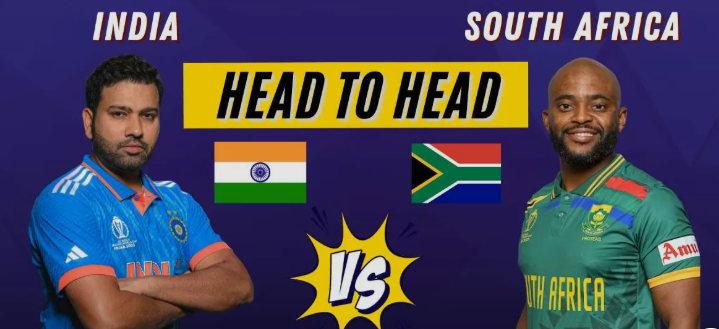
Cricket rivalry between these two sides has grown into one of the most competitive matchups in modern international cricket. Every encounter brings a mix of power, precision and pressure, where momentum can shift within a few overs. From early meetings filled with uncertainty to modern high-intensity clashes, both teams have built a strong history of tactical battles and memorable performances. Fans have witnessed dramatic chases, dominant bowling spells and game-changing partnerships that define the spirit of the sport. Each match adds another chapter to a rivalry shaped by evolving strategies, rising talent and unforgettable scorecards that reflect true international cricket intensity.
Recent Matches Table
Date
Format
Venue
Winner
Margin
India Score
SA Score
22 February 2026
T20I
Ahmedabad
South Africa
76 runs
111
187/7
19 December 2025
T20I
Ahmedabad
India
30 runs
231/5
201/8
14 December 2025
T20I
Dharamshala
India
7 wickets
120/3
117
11 December 2025
T20I
Chandigarh
South Africa
51 runs
162
213/4
09 December 2025
T20I
Raipur
India
101 runs
175/6
74
06 December 2025
ODI
Visakhapatnam
India
9 wickets
271/1
270
Team Statistics Summary Table
Format
Total Matches
Won by India
Won by SA
Tied Matches
No Result
Draw Matches
Test
44
16
18
0
0
10
ODI
97
42
52
0
3
0
T20I
32
18
13
0
1
0
Overall World Cup
13
5
8
0
0
0
Played in India
74
38
31
0
2
3
Played in SA
68
21
42
0
1
4
Individual Batting Records Table
Player Name
Team Country
Match Format
Total Runs
Highest Score
Batting Average
Strike Rate
Virat Kohli
India
ODI
1424
160
61.91
86.35
Quinton de Kock
South Africa
ODI
1103
135
52.52
94.67
Suryakumar Yadav
India
T20I
425
100
53.12
170.21
David Miller
South Africa
T20I
473
106
47.30
156.45
Rohit Sharma
India
Test
711
212
41.82
60.10
Dean Elgar
South Africa
Test
1012
185
44.00
48.20
Individual Bowling Records Table
Player Name
Team Country
Match Format
Total Wickets
Best Bowling
Economy Rate
Bowling Average
Jasprit Bumrah
India
Test
38
6 for 61
2.74
20.12
Kagiso Rabada
South Africa
Test
52
7 for 112
3.32
22.45
Kuldeep Yadav
India
ODI
31
6 for 25
4.85
18.54
Keshav Maharaj
South Africa
ODI
24
4 for 33
4.62
26.10
Arshdeep Singh
India
T20I
18
4 for 37
7.95
16.33
Marco Jansen
South Africa
T20I
15
4 for 22
8.12
19.40
Rivalry Origins Before First Matches
The foundation of this cricket rivalry began long before the first ball was bowled between the two sides in official international cricket. One team was rebuilding its identity after returning to the global stage, while the other was already developing into a strong competitive unit known for skillful batting depth and emerging fast bowlers. Early discussions in cricket circles often revolved around how contrasting styles would interact on the field. One side leaned heavily on spin-friendly conditions and classical batting techniques, while the other was shaping a reputation around pace, bounce and aggressive fielding standards. The anticipation was not just about winning or losing but about how two very different cricketing philosophies would collide. Media narratives also played a role in building curiosity, often framing it as a battle of discipline versus power. Fans from both regions began forming expectations even before the first official encounter, setting the stage for a long-term competitive storyline that would grow stronger with every series.
Era
Key Development
Playing Style
Expectation
Early 1990s
Return to international cricket
Rebuilding structure
Uncertain competitiveness
Initial phase
First discussions of rivalry
Spin vs pace contrast
High curiosity
Transition period
Growing international exposure
Tactical experimentation
Balanced contests
Pre-encounter phase
Squad strengthening
Aggressive modernization
Rising anticipation
First Official Encounters That Set the Tone
The early official meetings between the two teams immediately revealed a gap in experience but also highlighted the beginning of a competitive spirit. One side relied on disciplined seam bowling and structured batting order, while the other was still adjusting to the intensity of top-level international competition after a long absence. These early games were not one-sided in emotion, even if results sometimes suggested dominance. Instead, they built respect and awareness of each other’s strengths. Fast bowlers from the visiting side often troubled top-order batters with movement and bounce, while spinners tried to control middle overs with varying success. Batting collapses and recovery efforts became a recurring theme in these matches. Each scorecard from this period reflected learning curves on both sides. What stood out most was the intensity in fielding and the willingness to fight every run, which slowly transformed these early encounters into the foundation of a lasting rivalry.
Match Phase
Dominant Factor
Turning Point
Outcome Pattern
Opening overs
Fast bowling pressure
Early wickets
Top-order struggles
Middle overs
Spin control attempts
Partnerships formed
Balanced recovery
Death overs
Fielding intensity
Mistakes under pressure
Close finishes
Final sessions
Tactical decisions
Momentum shifts
Unpredictable results
ODI Rivalry Growth and Momentum Shift
As one-day cricket expanded globally, meetings between these two sides became more frequent and far more competitive. The format allowed both teams to express their strengths, leading to shifting momentum across different series. One team often depended on strong top-order batting to set or chase totals, while the other built its advantage through pace attacks capable of breaking partnerships at crucial stages. Over time, matches became less predictable as both sides adapted strategies based on previous encounters. Middle overs became a decisive phase where strike rotation and wicket preservation defined outcomes. Several matches were decided in the final overs, reflecting how closely matched the teams were becoming. Field placements, bowling changes, and batting depth played major roles in shaping results. The ODI format also highlighted individual brilliance, with players producing match-winning innings or spells that turned games within a few overs. This period marked a clear evolution from early uncertainty to structured rivalry.
Aspect
Team Strength
Opposition Challenge
Match Impact
Batting
Top-order stability
Early pace attack
Total building
Bowling
Spin variation
Middle-order resistance
Run control
Fielding
Agile coverage
Pressure handling
Saved runs
Strategy
Chasing approach
Defensive setups
Close outcomes
Test Cricket Battles Across Conditions
Test matches between these sides developed into long, physically demanding contests that tested technique, patience and mental strength. Conditions played a major role, with pitches offering different challenges depending on location. In some series, fast bowlers dominated early sessions with swing and seam movement, while later stages often favored batters who could adapt to changing surfaces. The visiting team frequently struggled with consistency in unfamiliar environments, while the home side used conditions effectively to build pressure. However, over time, adaptability improved, leading to more balanced contests. Extended batting partnerships and long spells of disciplined bowling became defining features. Several matches saw dramatic shifts after tea sessions or on final days, where fatigue and concentration levels influenced outcomes. Each scorecard from these encounters told a story of endurance rather than just skill, reflecting the depth of tactical planning and execution required in the longest format.
Seaming pitch
Fast bowling
Top-order survival
Early wickets
Dry surface
Spin control
Batting patience
Slow scoring
Flat pitch
Batting endurance
Bowling discipline
Draw-heavy results
Weather changes
Adaptability
Mental focus
Shifting momentum
ICC Tournament Pressure Games
Encounters in global tournaments brought a completely different level of intensity, where every match carried high stakes and little room for error. Both teams often entered these games with strong squads, but pressure situations frequently decided outcomes. Batters were required to balance aggression with caution, while bowlers had to execute precise plans under pressure. Fielding standards also rose significantly in these matches, with run-outs and diving stops becoming game-changing moments. The knockout nature of some fixtures added emotional weight, making every over crucial. In several instances, momentum shifted multiple times within a single innings, reflecting the unpredictable nature of high-pressure cricket. Fans from both sides experienced extreme emotional highs and lows, especially during close finishes. These matches often became defining points in tournament journeys, shaping qualification scenarios and long-term rival narratives.
Tournament Stage
Pressure Level
Key Factor
Result Influence
Group stage
Moderate
Net run rate
Qualification shift
Super stage
High
Batting depth
Momentum control
Semi-final
Very high
Bowling execution
Match decider
Final phase
Extreme
Fielding precision
Trophy impact
Fast Format Evolution and Tactical Changes
With the rise of the shortest format, encounters between these sides became faster, sharper and more tactical. Every over carried significant importance, and teams began experimenting with aggressive batting orders and specialized bowling roles. Power hitting in the opening overs often set the tone, while death overs became a battlefield of variations and execution under pressure. One team focused on explosive batting depth, while the other relied on structured bowling plans and disciplined fielding. Tactical innovations such as flexible batting positions and matchup-based bowling changed the rhythm of contests. Several matches ended in last-over thrillers, highlighting how evenly matched both sides were in this format. The rapid pace of the game also meant that momentum could shift within a few deliveries, making consistency the most valuable asset.
Phase
Key Strategy
Strength
Risk Factor
Powerplay
Aggressive batting
Quick runs
Early wickets
Middle overs
Rotation focus
Stability
Slowing strike rate
Death overs
Power hitting
High scoring
Mistimed shots
Bowling innings
Variations
Wicket chances
Run leakage
Defining Matches and Legacy Moments
Across decades of competition, certain matches stood out not just for results but for the intensity and quality of cricket displayed. These games often featured exceptional batting performances under pressure, spellbinding bowling displays and fielding efforts that shifted momentum instantly. Partnerships built during difficult phases became turning points, while sudden collapses reminded fans of the unpredictable nature of the sport. Some matches were remembered for last-over finishes, while others were defined by dominant individual performances that overwhelmed opposition strategies. Each scorecard from these encounters reflects a deeper story of preparation, execution and emotional resilience. Over time, these moments contributed to a legacy that continues to influence newer generations of players. The rivalry now represents not just competition but a benchmark for high-quality international cricket where no result is guaranteed until the final ball is bowled.
Match Type
Key Highlight
Defining Moment
Legacy Impact
ODI thriller
Last over finish
Final wicket
High excitement
Test classic
Long partnership
Day 5 collapse
Tactical depth
T20 clash
Power hitting
Death over surge
Fast evolution
Tournament game
Pressure innings
Run chase control
Historic significance
Conclusion
Over the years, this rivalry has transformed from early experimental contests into a balanced and highly competitive cricket battle. Both teams have produced iconic performances across formats, showcasing adaptability, resilience and skill under pressure. Whether in Tests, ODIs or T20s, each encounter has delivered moments that stay in memory due to their intensity and unpredictability. The scorecards reflect not just numbers but stories of determination and strategy. As both sides continue to evolve, this rivalry remains a key highlight of international cricket, promising even more thrilling contests and unforgettable performances in the years ahead.